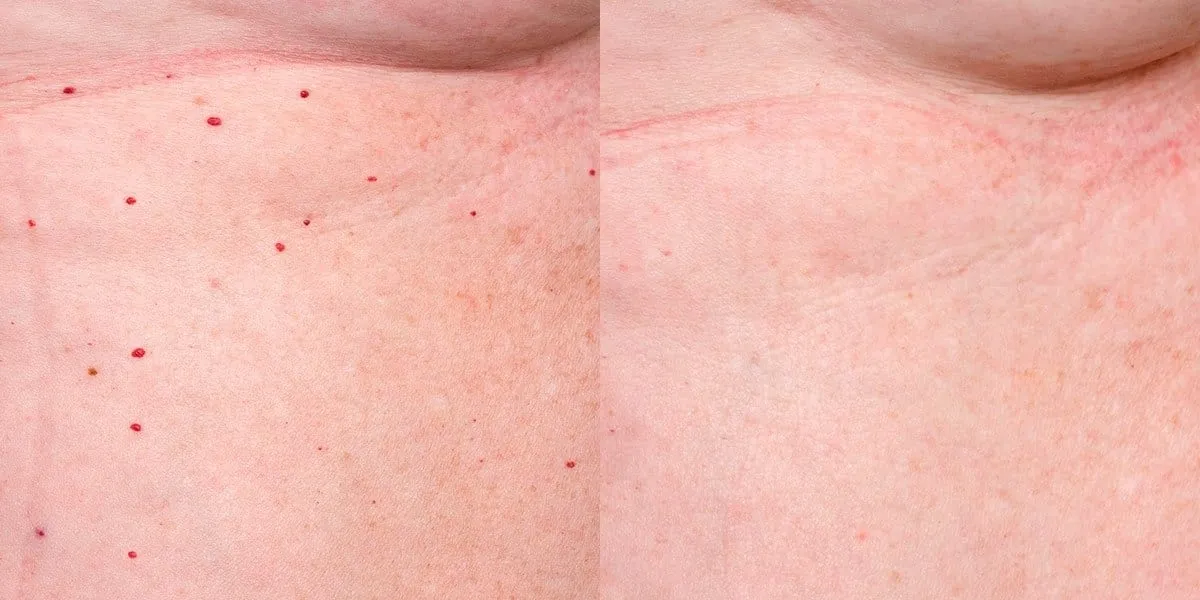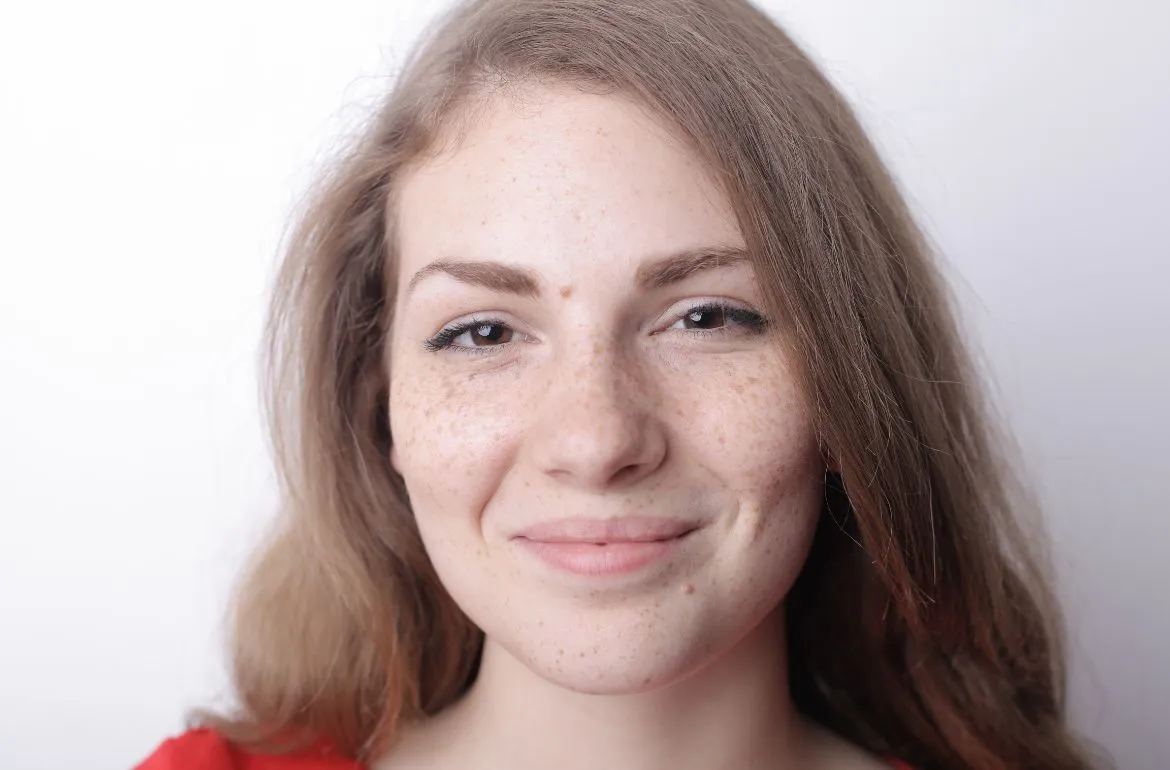
What it is
Every day we are exposed to UV rays, stress and hormonal changes. These affect the skin, especially the epidermis: small imperfections and dark spots appear, the skin changes in appearance and the pores become enlarged. As a general rule, skin spots do not pose a serious health problem: most of them cause only an aesthetic concern, which is why many people want to know how to get rid of them.
Treatments
Each type of spot has its own treatment, always under the supervision of doctors who specialise in the skin:
- Chemical peel: removes the surface layers of the epidermis in a controlled way and speeds up cell renewal, which reduces superficial wrinkles and spots. It also brightens the skin and softens acne marks.
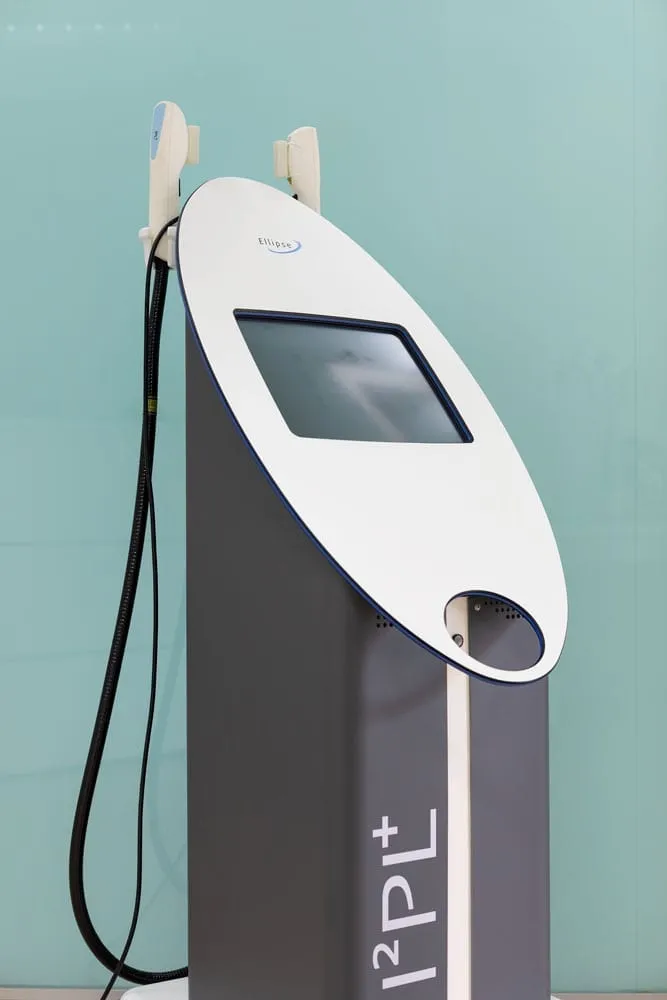
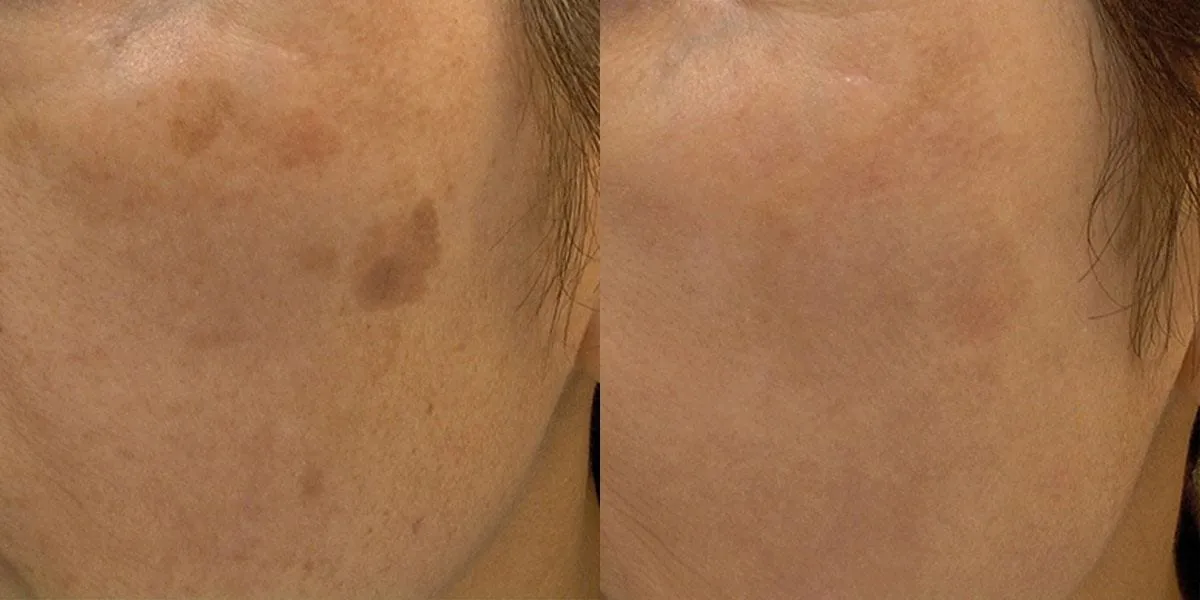
- IPL photorejuvenation: uses pulsed light to fade and remove pigmented spots. The skin also looks brighter and its texture improves.
- IPL for vascular lesions: short flashes of pulsed light clear redness safely, and the effect lasts.
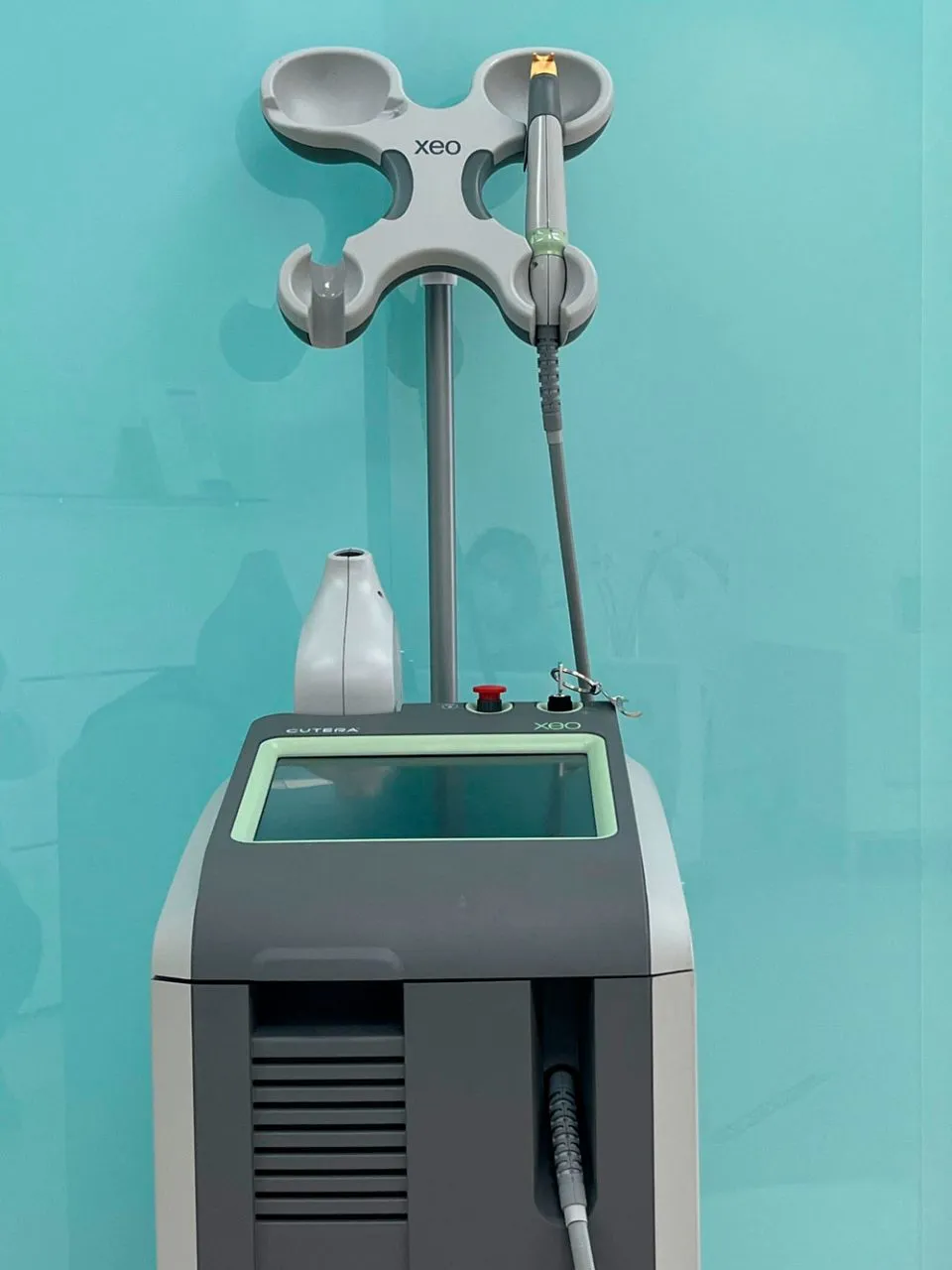
- Nd:YAG laser: treats hyperpigmentation and evens out skin tone.
- Treatments for acne scars and marks.
How IPL works on vascular lesions
IPL emits pulsed light onto the area where the spot or vascular lesion has appeared. Once the light is absorbed it turns into heat, which helps the redness fade.
With the Ellipse system, which we use at our clinics, the light is filtered twice so that it is right for each lesion. Vascular lesions differ from one person to another, so each patient needs an individual treatment plan.
Who it is for
Before any treatment, a doctor must confirm that the spots are not a risk to your health. Once that is ruled out, our aesthetic medicine doctors will explain how they can be removed.
Types of spot
Skin spots can be reddish, brown, violet or white. White spots can have several causes, such as a lack of pigmentation (vitiligo), a vitamin deficiency or hormonal changes.
Vascular lesions
Vascular lesions are a disorder of the blood vessels and come in different shapes and sizes:
- Spider veins: can appear after long periods without physical activity, which causes poor blood circulation. This often happens to people who spend many hours sitting or standing still at work. They can also be linked to being overweight, hormonal problems or be a side effect of some contraceptives.
- Redness in very sensitive skin: reddish patches caused by changes in temperature, wind, hormonal changes or stress.
- Birthmarks: angiomas that appear before birth and are known as port-wine stains because of their colour.
People with fair skin and reddish vascular lesions get the best results with IPL, because the greater contrast between the skin colour and the lesion makes the treatment easier. Even so, anyone with this kind of problem can come for a consultation.
The session
- Chemical peel: sessions of about 30 minutes with no social downtime.
- IPL photorejuvenation: sessions of about 20 minutes. Three sessions may be needed to achieve the desired result.
For the treatment to be safe and effective, do not use tanning products or sunbathe, as this can change the pigmentation of the skin.
Results
With IPL there is an improvement from the first session. For a few days after treatment the spots darken as the melanin oxidises; afterwards the skin looks brighter and fresher.
After a chemical peel the skin looks brighter and more even.