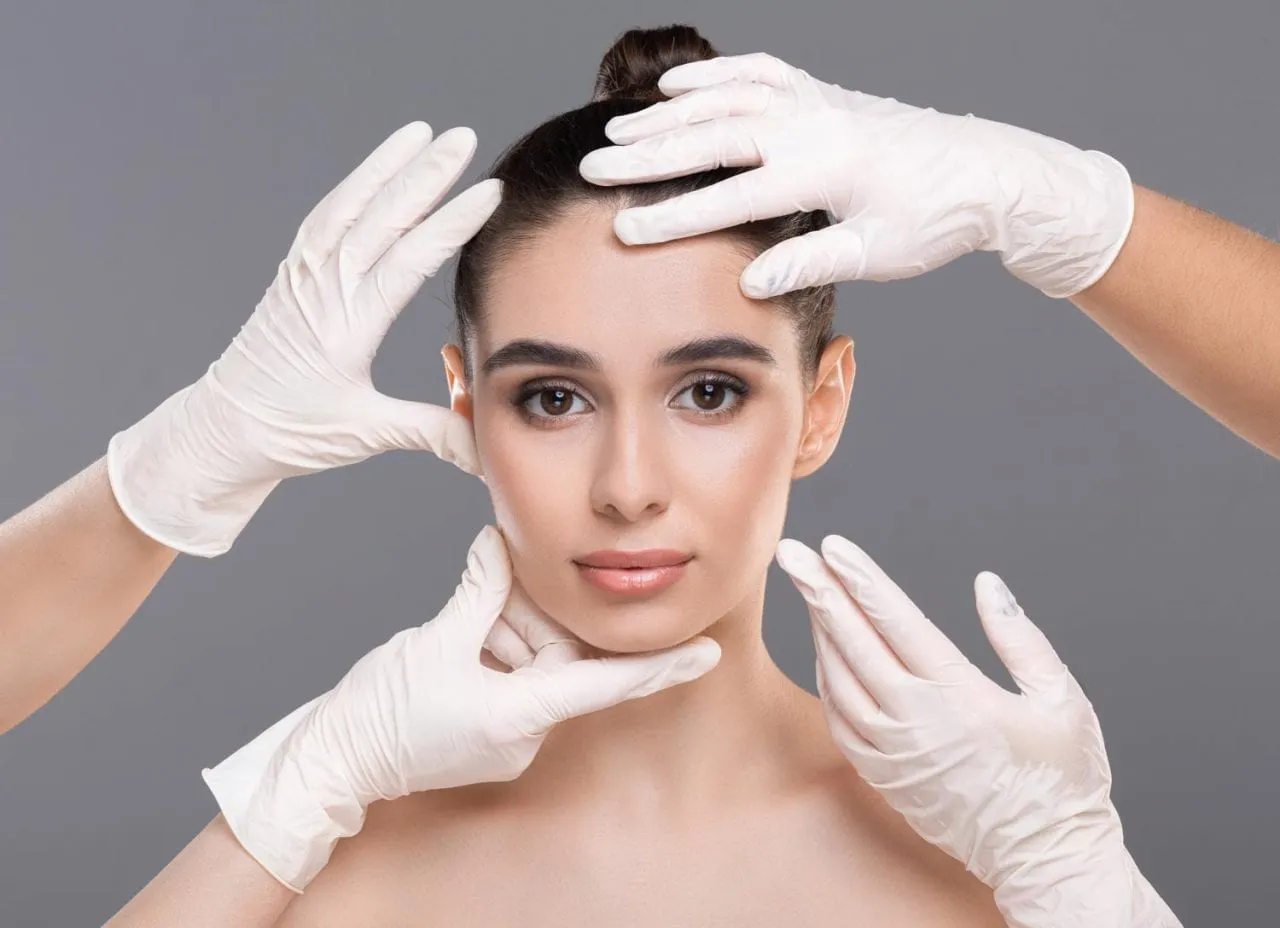
What it is
The threads are sometimes called “magic threads” because they work from beneath the skin. They retract and tighten it and progressively stimulate the body’s own production of fibroblasts and collagen, so the skin gains quality and thickness and, above all, sagging improves. They are biocompatible, resorbable and safe, and the results last.
Types of thread
Not all threads are the same: they vary in structure and material.
- Structure: monofilament, coned, barbed or braided.
- Material: poly-L-lactic acid, polycaprolactone or polydioxanone (PDO), a biocompatible compound that the body absorbs, does not cause allergies and is widely used as a suture material in heart surgery.
Who it is for
As we age, the skin loses smoothness, elasticity and firmness due to the loss of collagen and facial fat, and sagging and wrinkles appear. The areas of the face most affected are usually the cheeks, the eyebrows, the area around the eyes, the neck and the jowls. Resorbable threads are a good option to minimise and correct these effects.
A thread lift is generally used from the age of 35, when the first signs of sagging appear.
Areas
- Face and neck
- Abdomen
- Arms
- Buttocks
The session
A thread lift is an outpatient procedure carried out in the consulting room after applying topical anaesthesia. The thread is inserted through a guide needle, forming a kind of mesh in the area being treated, which leaves the skin firmer and fuller.
- Duration: about 30 minutes.
- Anaesthesia: topical.
- Number of sessions: 1.
Results
Depending on the structure of the thread, the effect can be immediate, and it usually improves gradually over the following weeks. With barbed polydioxanone threads, results are immediate. With monofilament polydioxanone threads, improvement becomes noticeable from the fourth week, with the best results from the third month.
The threads are usually absorbed at around six months, and the lifting effect lasts 12 to 18 months depending on each person’s characteristics.
Benefits
- Lifting effect.
- Increases the body’s own collagen production.
- Defines facial and body contours.
- Prevents and treats sagging.
- Lifts the buttocks.