What it is
Acne damages the outer layer of the skin and also the deeper layers. That is why we treat both active acne and the marks and scars it leaves behind.
How scars form
Acne scars appear when the epidermis (the outer layer of the skin) is damaged along with the deeper layers. The skin loses its ability to renew itself as efficiently as usual and forms granulation tissue, which leads to uneven skin, loss of elasticity, changes in circulation and poor function of the sebaceous and sweat glands. Scars can be atrophic, hypertrophic or keloid.
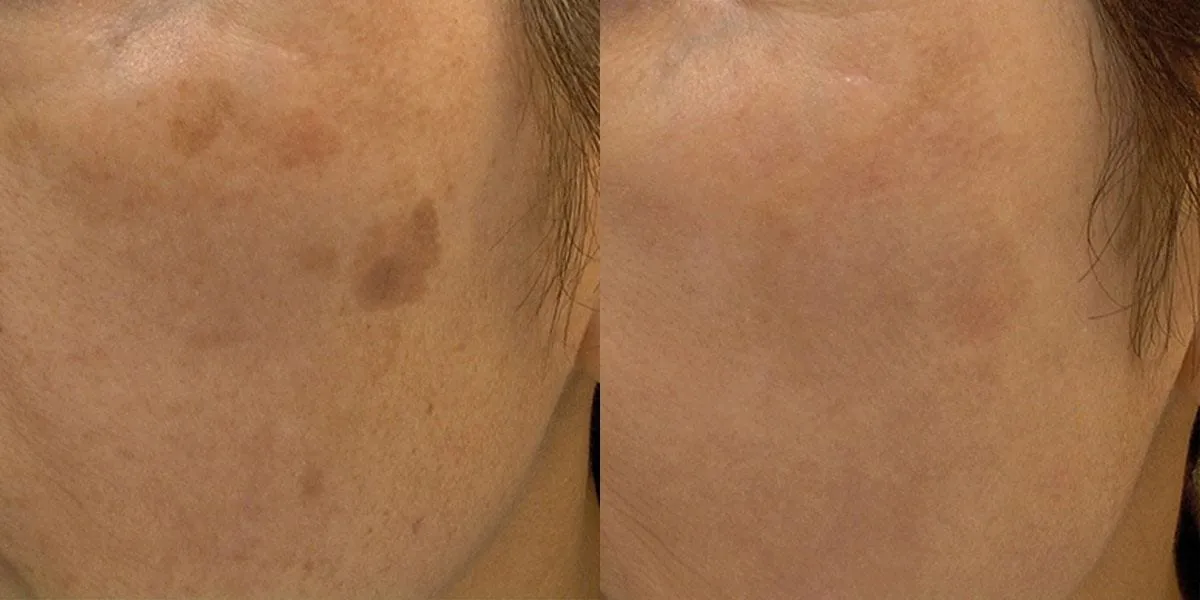
Acne can also leave other changes, such as post-inflammatory hyperpigmentation (PIH): marks that appear when spots are squeezed or picked.
Frax 1550 laser for scars
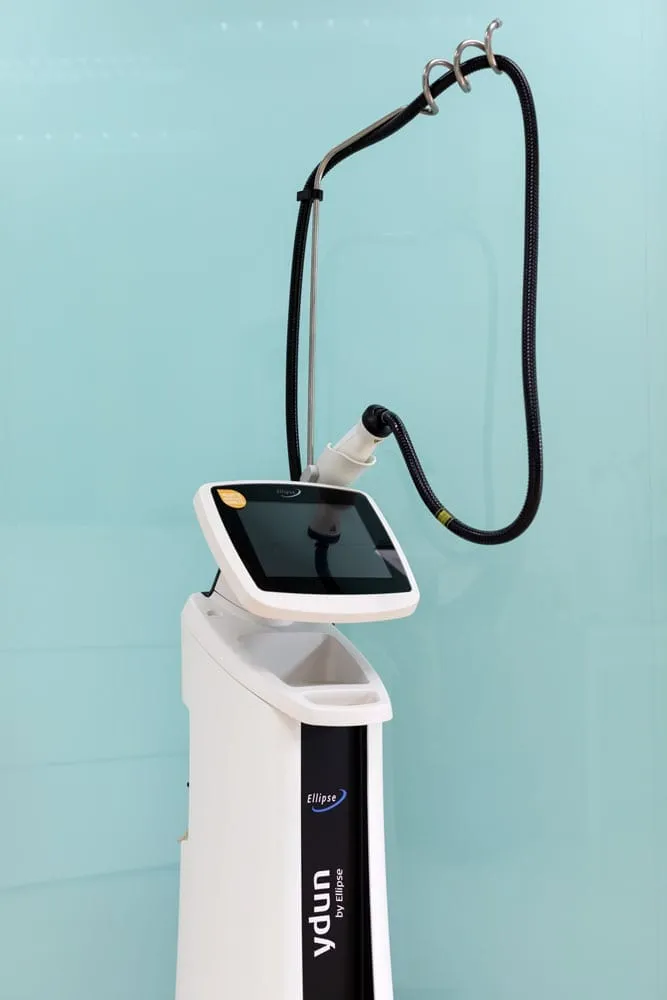
The Ellipse Frax 1550 laser creates small, controlled thermal channels in the skin that stimulate collagen production in the treated area and trigger skin renewal, improving the appearance of the scar.
Why acne appears
There are myths about what causes acne: some people think it is more common if you eat chocolate or fried food, others that it is due to poor hygiene. Neither is true.
The body produces hormones called androgens that stimulate the sebaceous glands to produce an oily substance, sebum. Too much sebum blocks the pores, stops oil from reaching the surface of the skin and makes it easier for bacteria to multiply. The mix of bacteria, sebum and fatty acids irritates the walls of the hair follicle and causes inflammation, which shows up as different types of spots and blackheads.
Pulsed light for active acne
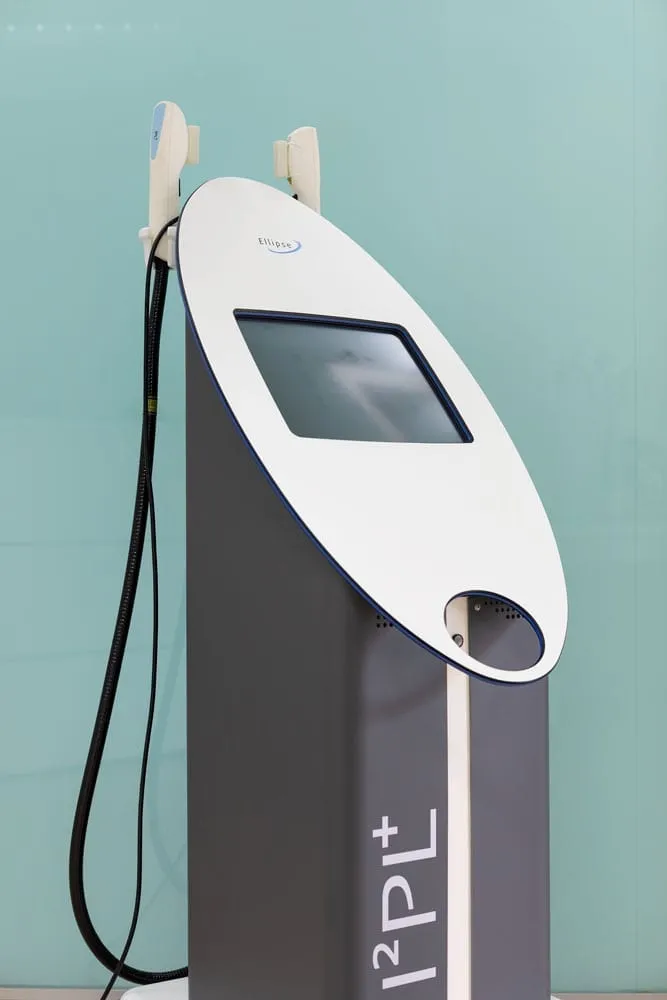
For adult acne we also use the Ellipse intense pulsed light system, which emits short flashes of double-filtered light so that only the right light is absorbed, reducing acne while avoiding the risk of adverse effects on the skin. Haemoglobin in the blood absorbs the light and turns it into heat, which closes off the blood vessels that feed the sebaceous glands. This reduces the excess oil that contributes to acne and has an antibacterial effect on the skin’s surface.
Who it is for
- People with acne marks or scars who want more even skin.
- Adults with active acne.
- People with post-inflammatory hyperpigmentation, enlarged pores or fine lines.
Areas
- Face and neck.
- Décolletage.
- Back.
The session
Before any treatment we carry out an in-person medical assessment to decide on the most suitable treatment for you.
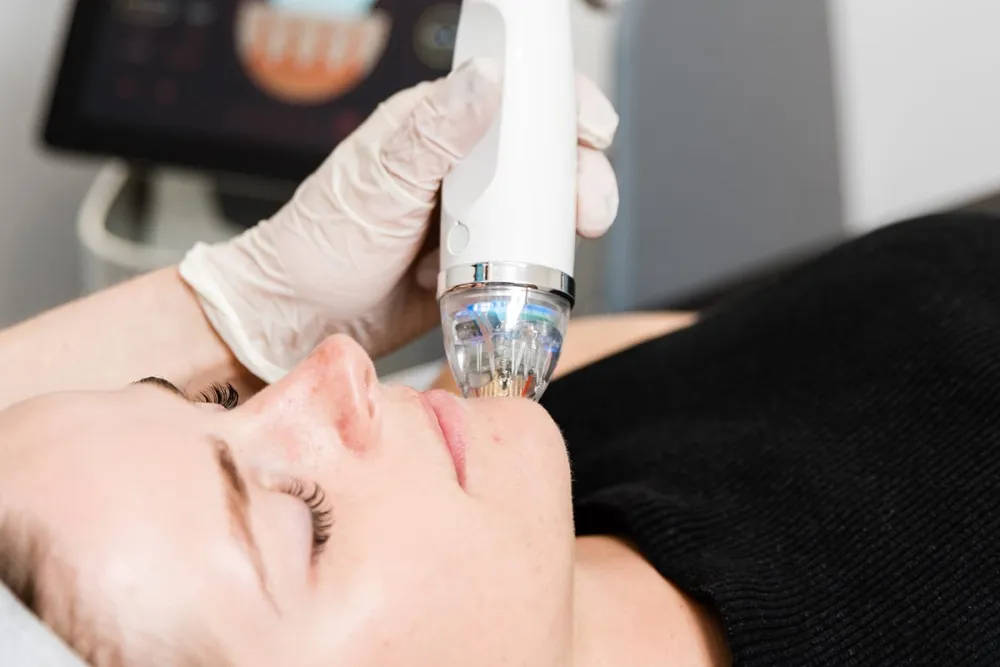
Laser treatment requires topical anaesthesia, applied 40 minutes before it starts. Each session takes 20 to 30 minutes.
Number of sessions
3 to 5 sessions.
Results
The effects start to show about a month after treatment. The marks acne has left fade session by session, and the skin becomes more even, with fewer wrinkles and smaller pores.
Benefits
- Improves skin texture.
- Reduces pore size.
- Reduces fine expression lines and pigmentation changes.
- Evens out skin tone.
- Leaves the skin smoother and more youthful-looking.
- Resurfacing effect.