What it is
The skin undergoes natural chronological ageing, with a decline in collagen production, and it also shows the effects of excessive sun exposure (environmental ageing). Photorejuvenation with the Ellipse IPL treats these changes and helps keep the skin smooth and even.
How it works
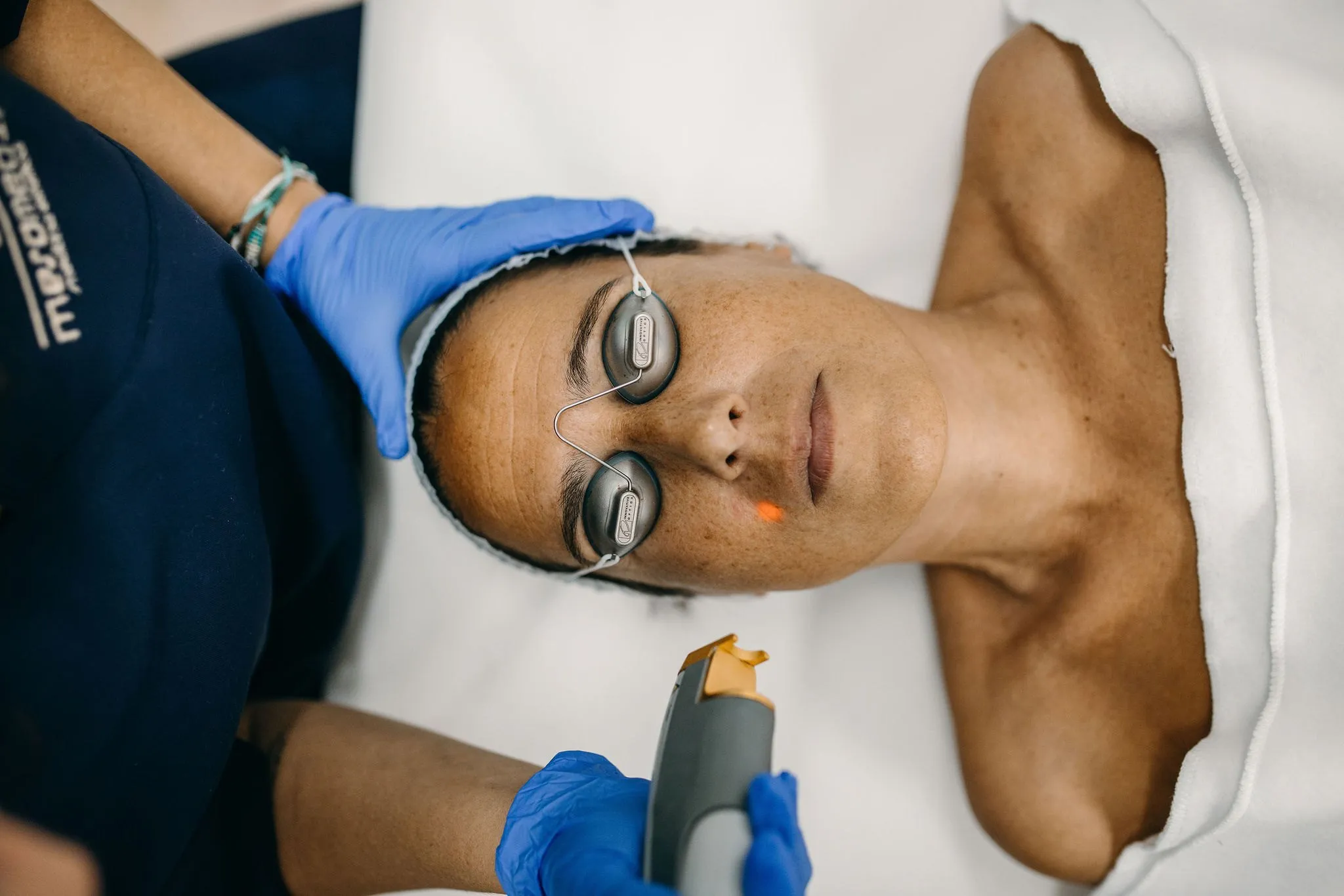
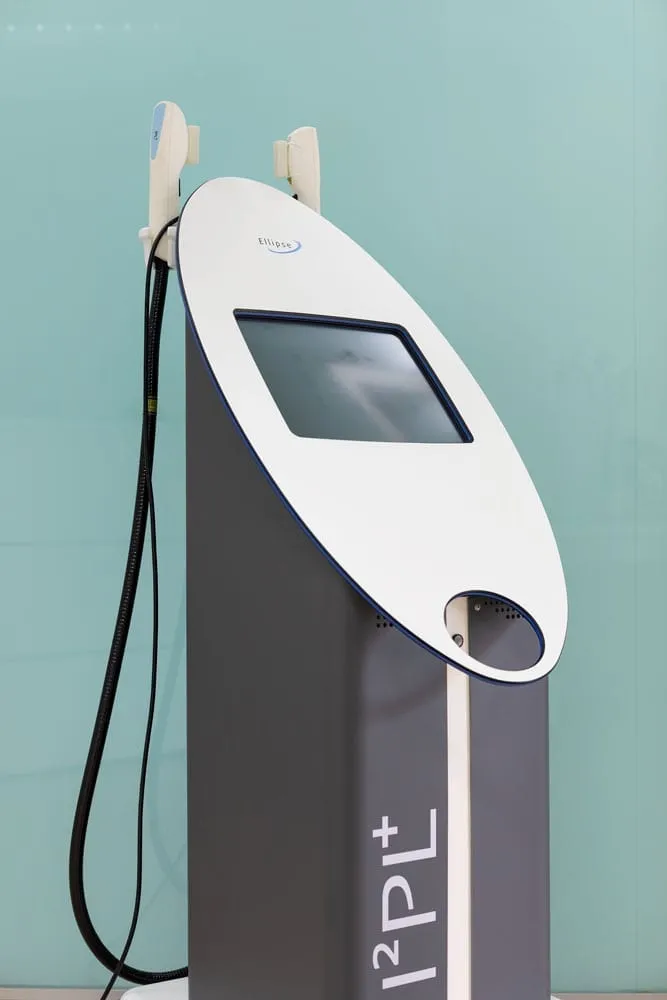
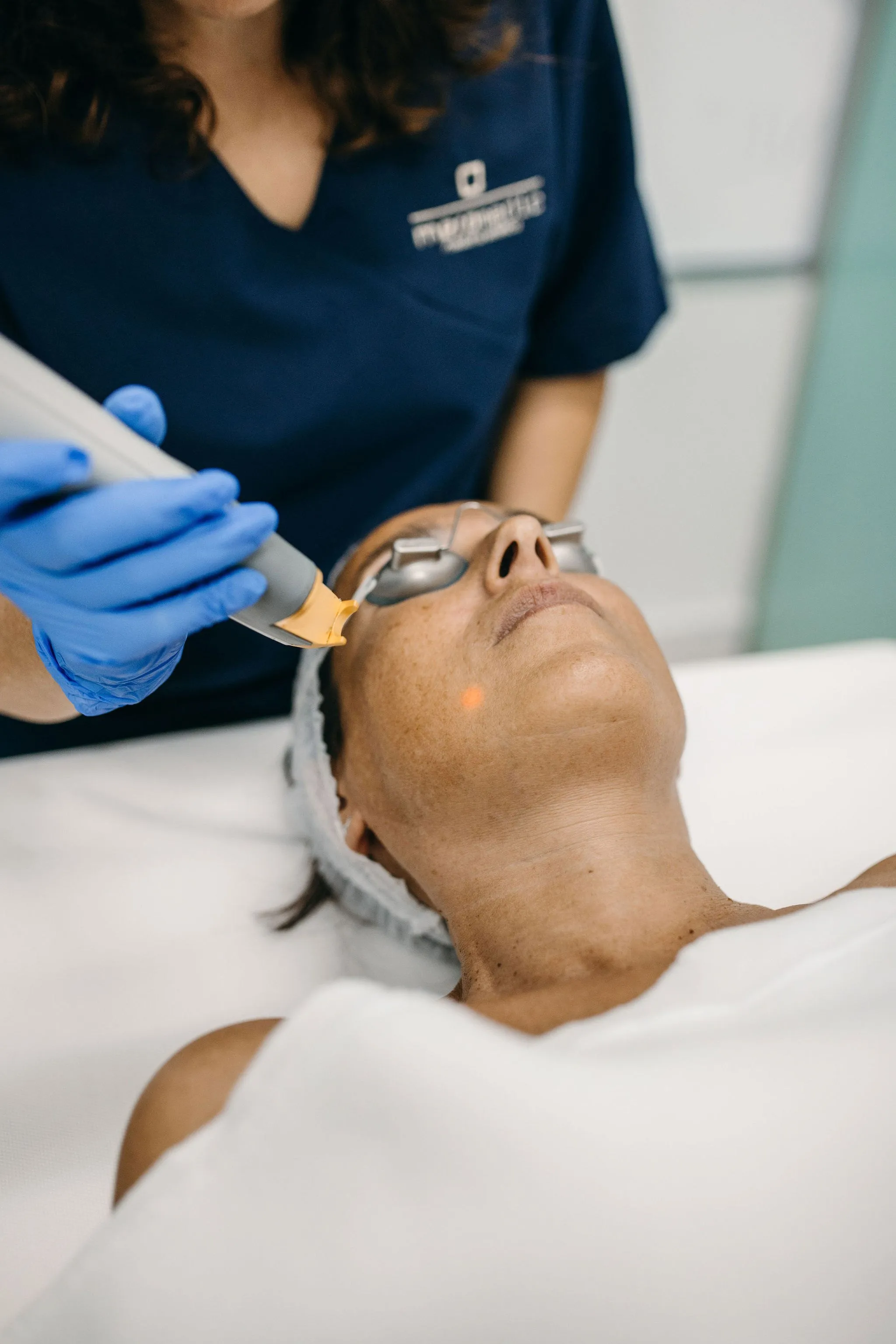
Pulsed light reaches the deeper layers of the skin and is absorbed selectively by chromophores, such as the melanin in sun spots and the haemoglobin in vascular lesions and redness. The Ellipse system emits short flashes of double-filtered intense pulsed light, so that only the discoloured areas of the skin absorb the light and the risk of adverse effects is reduced.
When they absorb the light, the cells containing melanin or haemoglobin heat up and are selectively eliminated. Spots lighten, vascular lesions fade and redness is reduced, until the change is no longer noticeable or disappears. The treatment also stimulates the production of collagen and elastin.
Who it is for
For people with ageing or sun-damaged skin who want to treat:
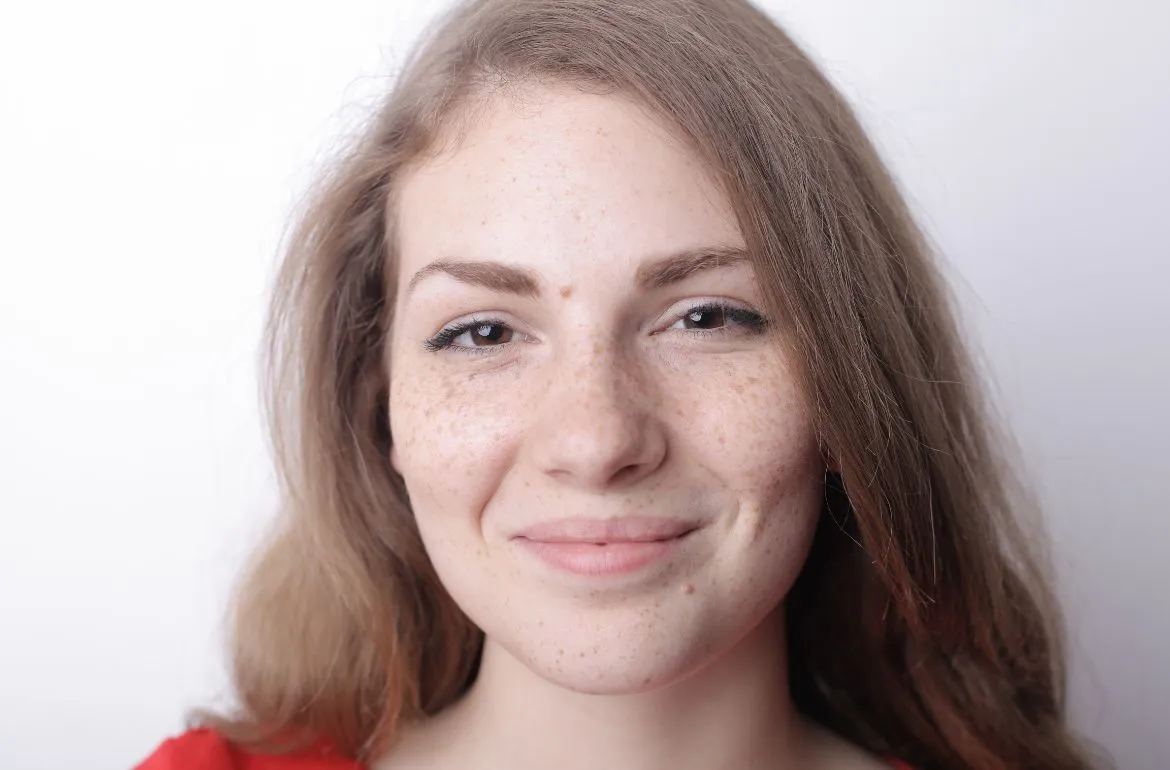
- Age spots, solar and age-related lentigines, and uneven pigmentation.
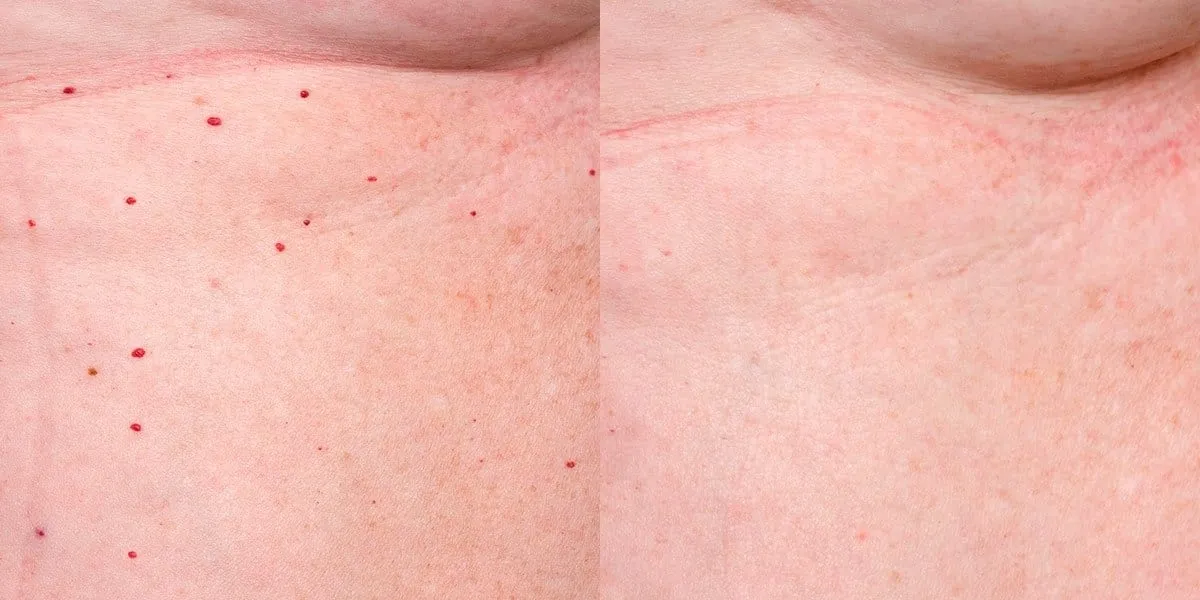
- Telangiectasia and other vascular lesions.
- Diffuse redness and rosacea.
- Poikiloderma of Civatte.
Benign pigmented lesions can be genetic in origin or caused by physical damage such as sunburn or wounds, or simply by ageing. They can vary in size and colour. Before removing any lesion, the doctor must first confirm that it is not malignant.
Areas
- Face and neck.
- Décolletage.
- Backs of the hands.
- Dark circles.
The session
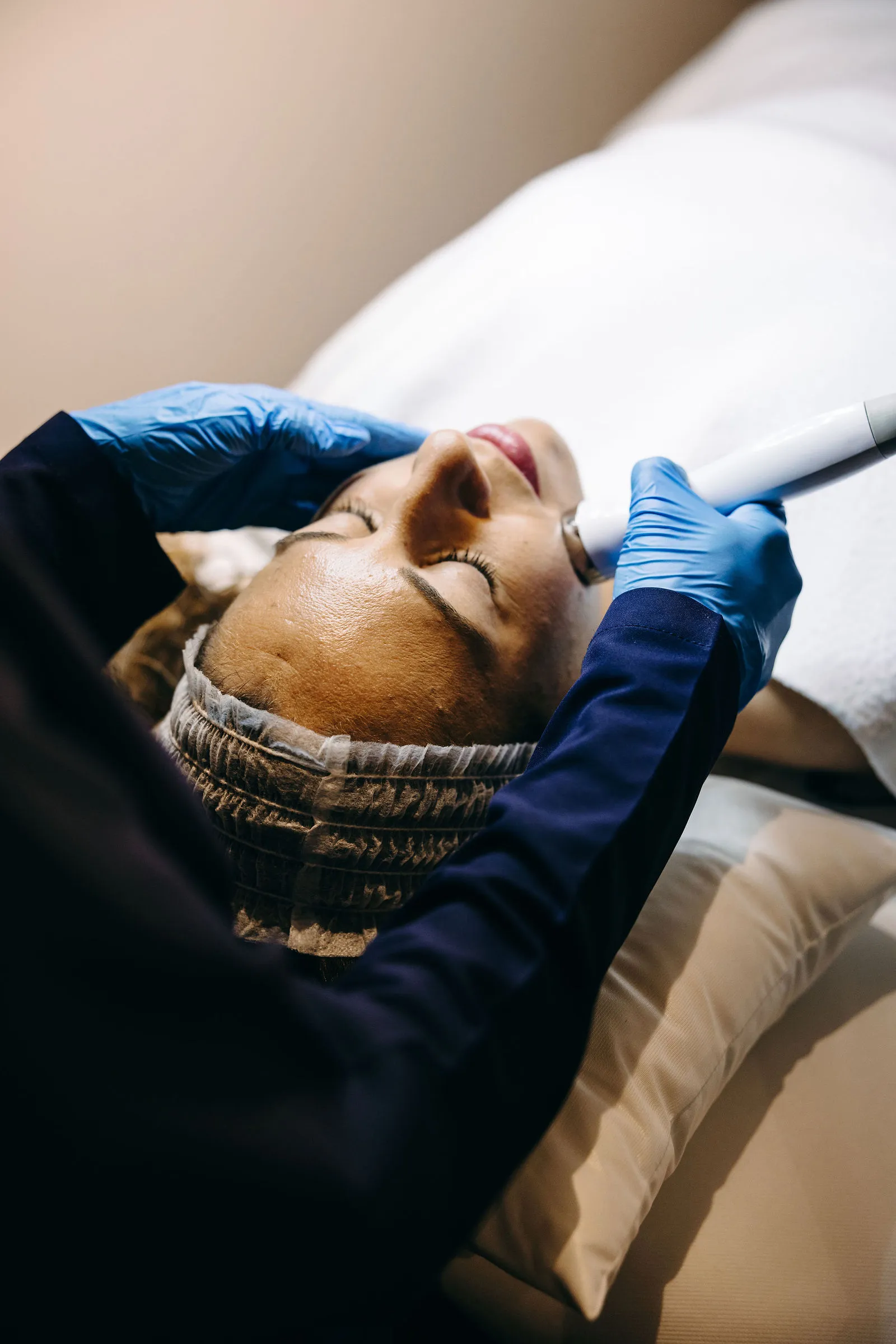
The treatment is adjusted to each patient. The session takes about 20 minutes and needs no anaesthesia. Immediately afterwards, redness disappears, whereas spots darken because the melanin oxidises.
Number of sessions
Usually 1 to 3 sessions are recommended, 4 to 6 weeks apart so the skin can recover fully. Some people may need maintenance sessions to prolong the results.
Before and after treatment
- Avoid tanning: a tan is an accumulation of melanin in the skin. Avoid the sun, sunbeds and self-tanning creams for at least 4 weeks before and during treatment. Tanned skin absorbs more light, which makes the treatment less effective and raises the risk of burns or pigmentation changes.
- Sun protection: use sunscreen of at least SPF 50 every day, to protect the skin and reduce the risk of post-inflammatory hyperpigmentation.
- Aftercare: use moisturising, soothing and repairing creams, follow your doctor’s advice and avoid prolonged sun exposure and hot environments.
Results
Results are not immediate: they appear gradually and can be seen about a month after the last treatment. The complexion looks more even and rested.
Benefits
- Improves skin texture.
- Removes spots and redness.
- Fades vascular lesions.
- Leaves the skin smoother and more youthful-looking.