Summer in Mallorca is long and bright. We spend more time outdoors, at the beach, by the pool or on the boat, and even with sunscreen the skin builds up months of UV exposure, heat, salt and chlorine. By September it is common to notice that your face looks duller, with a new spot or two and a less even texture. Autumn is a good time to look after your skin and prepare it for the rest of the year.
How your skin looks after the summer
The most common changes we see in clinic at the end of the summer are:
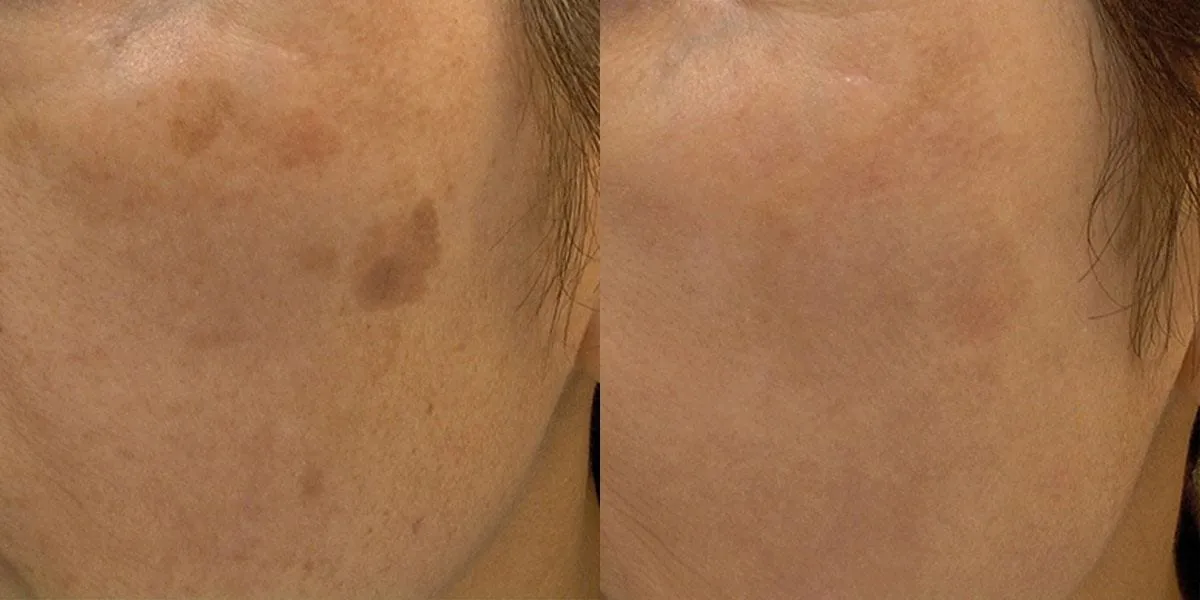
- Sun spots: ultraviolet radiation stimulates melanin production, and some areas pigment more than others. New spots may appear, or existing ones may become more visible, especially on the face, chest and hands.
- Dehydration: sun, heat, wind, salt water and chlorine disrupt the skin barrier, so the skin loses water more easily and feels tight or looks dull.
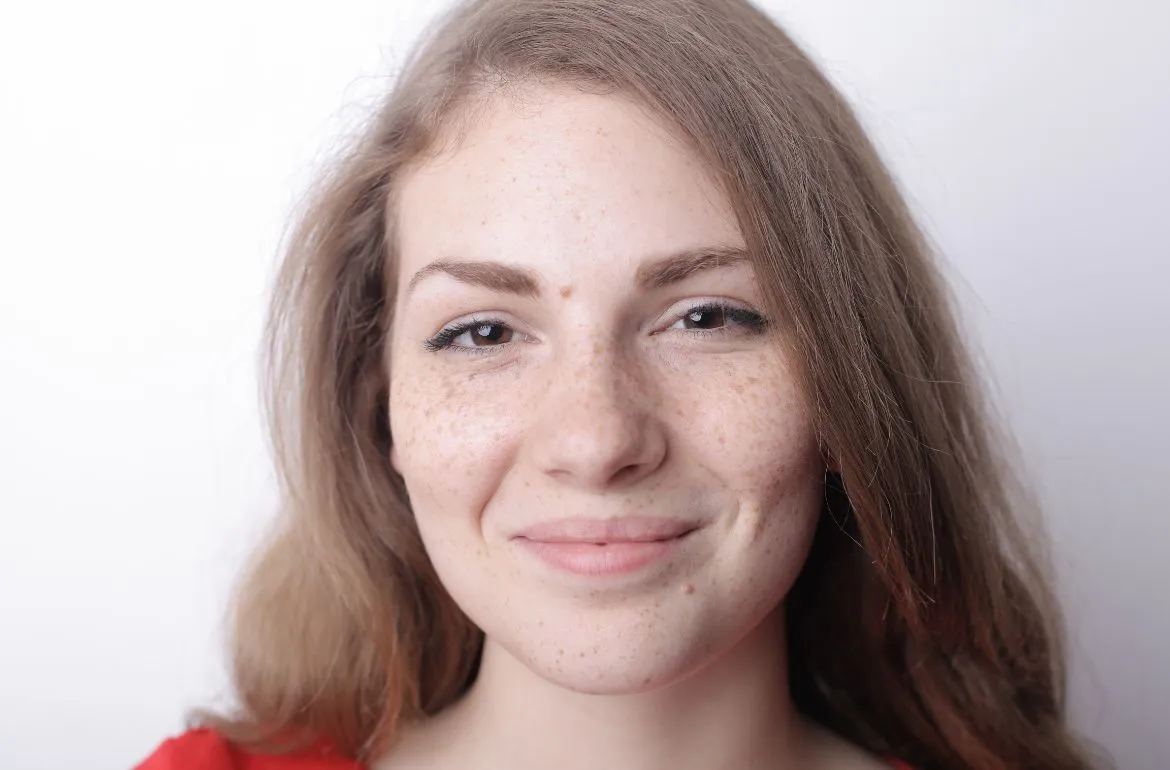
- Uneven texture: the skin often feels thicker or rougher, with more visible pores and a less uniform tone.
None of this is worrying, but it does mean your skin needs some attention.
Why autumn is a good time
Several medical aesthetic skin treatments make the skin more sensitive to light for a few days or weeks, or require the skin not to be tanned so they can be carried out safely. With fewer hours of strong sun, autumn and winter make both the treatment and the aftercare easier.
It is also a sensible time to start plans that need several sessions, leaving enough margin for your skin to be in good shape by spring.
Treatments that can help
After a medical assessment, and depending on your skin type and what the doctor sees, common options include:
- Chemical peel: an exfoliating solution that renews the surface layers of the skin in a controlled way. It helps even out skin tone, improve texture and fade superficial spots. Peels come in different strengths, and the choice depends on each case.
- IPL photorejuvenation: intense pulsed light acts on the melanin and haemoglobin in the skin, so it is used to treat sun spots, redness and small vascular lesions. It is usually planned over several sessions and requires the skin not to be tanned.
- Deep hydration: treatments such as hyaluronic acid skin boosters or facial mesotherapy hydrate the skin from within and improve its radiance and elasticity.
The number of sessions, the intervals and the recovery time depend on each person and each treatment. Your doctor will explain what to expect and what aftercare to follow.
At home: hydration and sunscreen all year
Clinic treatments work best alongside a good routine. In autumn it is worth using a gentle cleanser, a moisturiser suited to your skin type and, if your doctor recommends it, a brightening or renewing active ingredient.
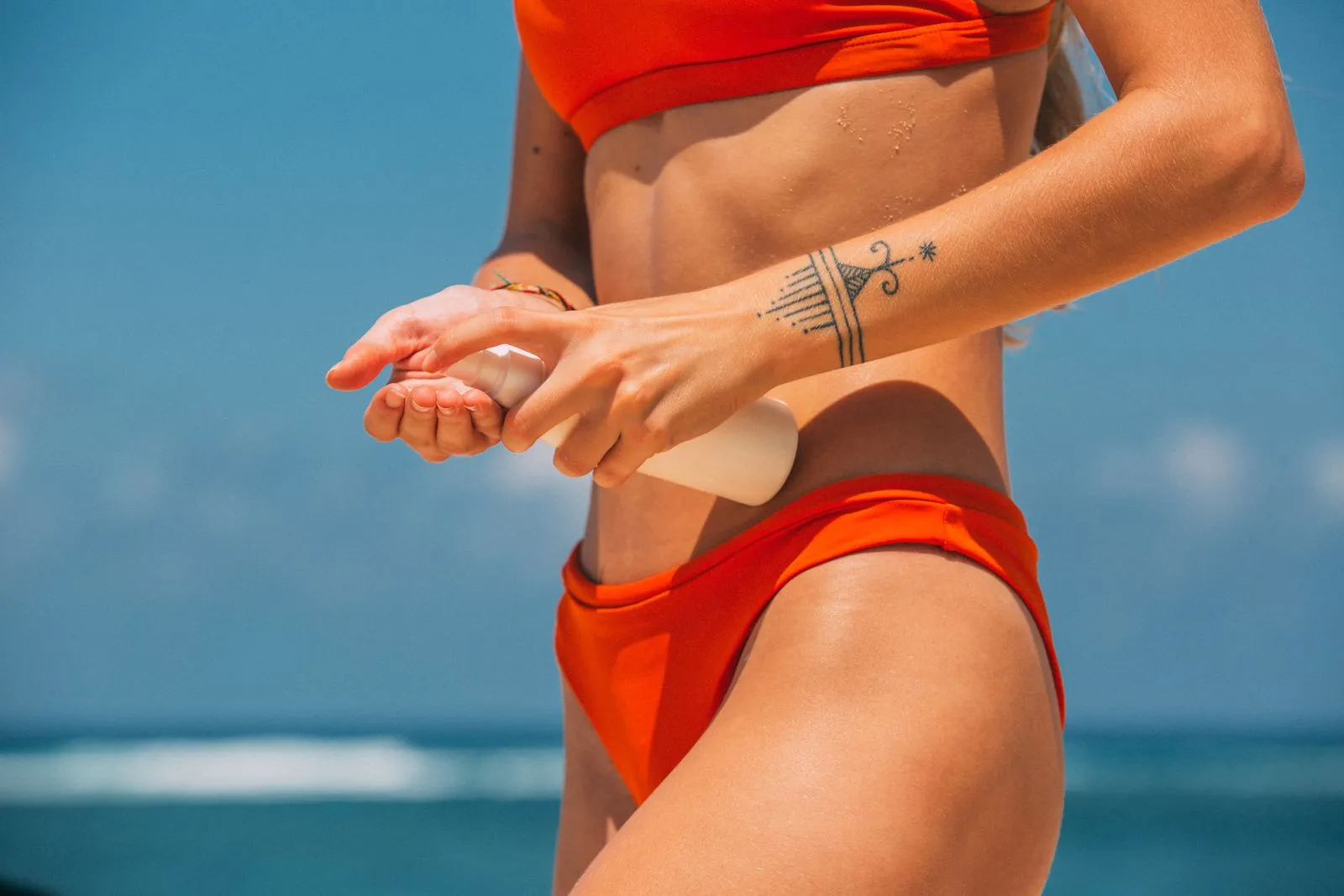
Daily sunscreen, on the other hand, is not seasonal. In Mallorca UV levels remain significant even in the cooler months and on cloudy days. Applying it every morning, in winter too, is the best way to protect the results of any treatment and help prevent new spots.
If the summer has left its mark on your skin, you can book a medical assessment at our clinics in Palma or Manacor. We will look at your case and suggest a plan to bring back its radiance.