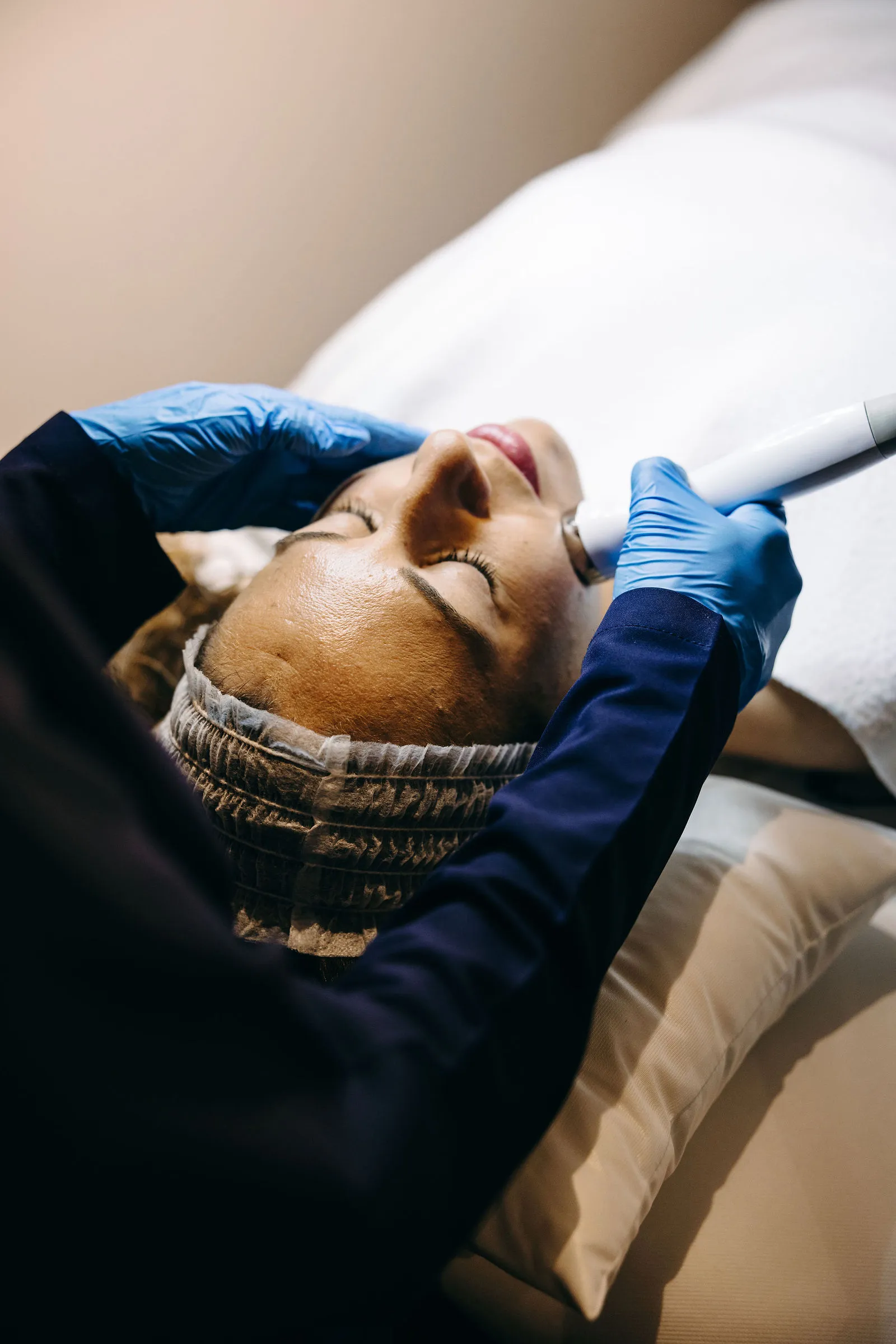
Aesthetic medicine is, first and foremost, medicine. So when you are thinking about a treatment to improve your skin or your face, the first important decision is where and with whom, even before the treatment itself. You can tell a good clinic by the way it works more than by what it promises. These are the signs worth looking for.
A licensed health centre
An aesthetic medicine clinic should be registered and licensed as a health centre by the regional health authority, which in the Balearic Islands is the Conselleria de Salut. This licence confirms that the premises, equipment and protocols meet minimum safety and hygiene standards.
It is perfectly normal for a patient to ask about it. Licensed centres usually display their health registration number on their website or at the clinic, and are happy to share it.
Treatments carried out by doctors
Medical aesthetic treatments, such as hyaluronic acid fillers, neuromodulators, medical peels or laser treatments, should be prescribed and carried out by suitably trained healthcare professionals, and medical procedures by a doctor.
Knowing who will treat you gives you peace of mind. It is reasonable to ask about the doctor’s training and experience, and a good clinic will explain it openly. At Mesomedic, assessments and medical treatments are carried out by the medical team led by Dr Jaime Rodríguez.
Approved, traceable products
Products used in aesthetic medicine should be approved for use in Europe and bought through official channels. Every injectable product has a batch number and an expiry date, and that information should be recorded in your medical file.
This traceability means it is always possible to know exactly what was used, when and where. It is also useful in the long term: if you decide to have another treatment in the future, your doctor will know which product was used and can plan accordingly.
A medical assessment and informed consent
No treatment should begin without a prior medical assessment. During it, the doctor reviews your medical history and any medication you take, examines the area that concerns you and listens to what you would like to achieve.
From there, they explain which options are worth considering, how they work, what aftercare they need and which side effects may occur. All of this is set out in the informed consent form, which you should read calmly and sign only once you have no remaining questions. A good clinic gives you time to decide and never puts you under pressure.
Realistic advice and follow-up
One very clear sign of good practice is honest advice. Sometimes the doctor will recommend a different treatment from the one you had in mind, suggest starting with something simpler, or tell you that you do not need anything at the moment. Results vary from person to person, and a good professional explains this from the start, with realistic expectations.
The work does not end on the day of treatment either. Follow-up is part of the process: a check-up to see how your skin has responded, the option to contact the clinic if any questions come up, and a maintenance plan tailored to you, if you need one.
You can see the facial treatments we offer and, whenever you like, book a medical assessment at our clinics in Palma or Manacor.