What it is
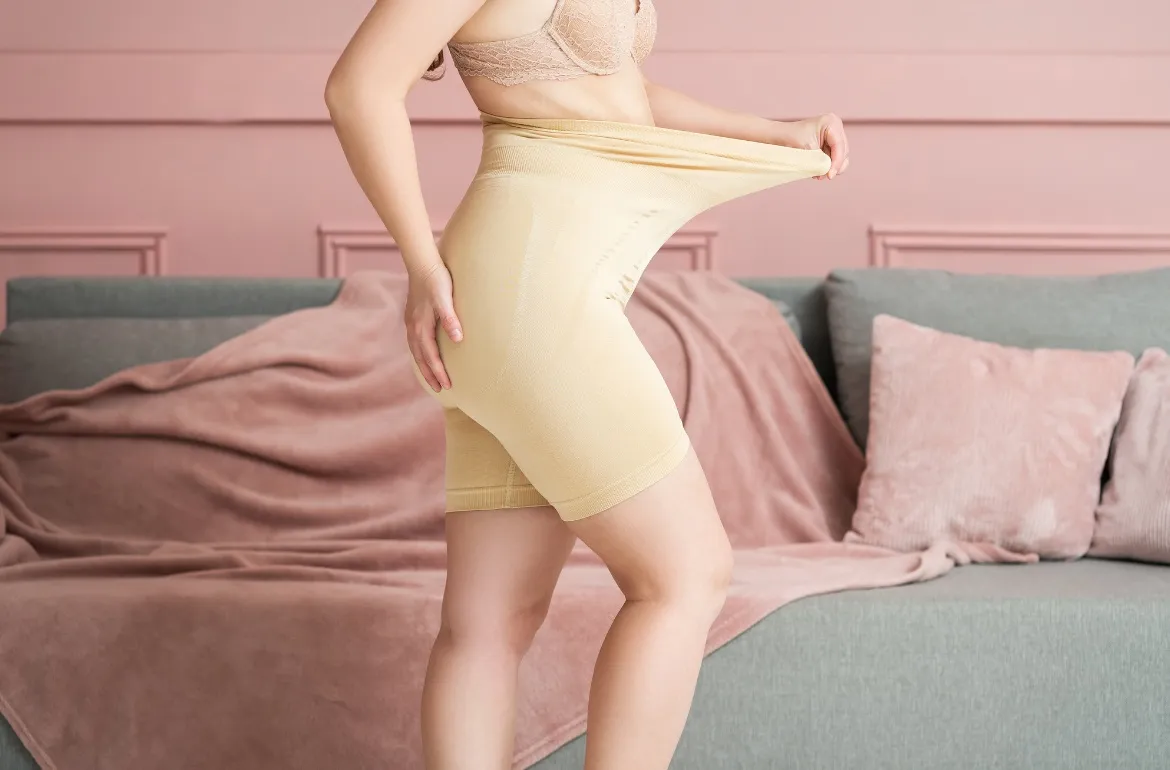
Collagen and elastin are the components that keep the skin firm and elastic. They can be affected by several factors: an unbalanced diet, hormonal problems, lack of exercise or major weight loss. Genetics also plays a part, as do habits such as smoking and too much sun. As well as being a visible sign of ageing, loose skin can affect a person’s confidence and wellbeing.
Non-surgical treatments such as radiofrequency or high-intensity focused ultrasound work in the deep layers of the skin to stimulate collagen and elastin production and cell renewal.
Treatments
Each part of the body can be treated in different ways, and the doctor will advise which one suits your case. At Mesomedic we use:
- Alma PrimeX
- Unison
- Body radiofrequency: boosts collagen and elastin formation and helps firm the skin.
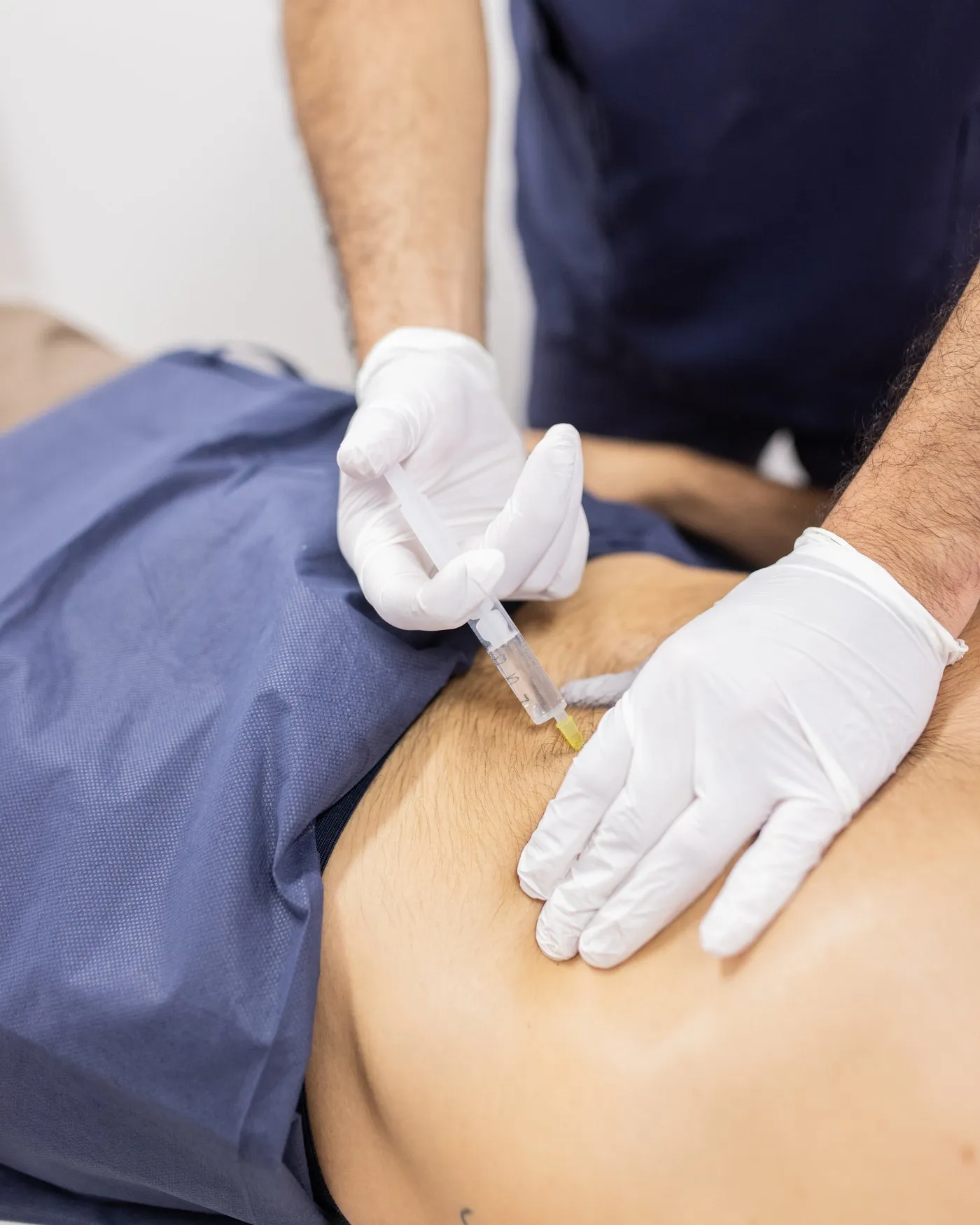
- Body mesotherapy
- Carboxytherapy: helps reduce localised fat and fluid retention.
- Radiofrequency microneedling
Who it is for
Anyone whose skin feels less firm on areas such as the abdomen, arms, legs, thighs, neck or face. The best treatment depends on age, the area and the type of laxity.
Legs
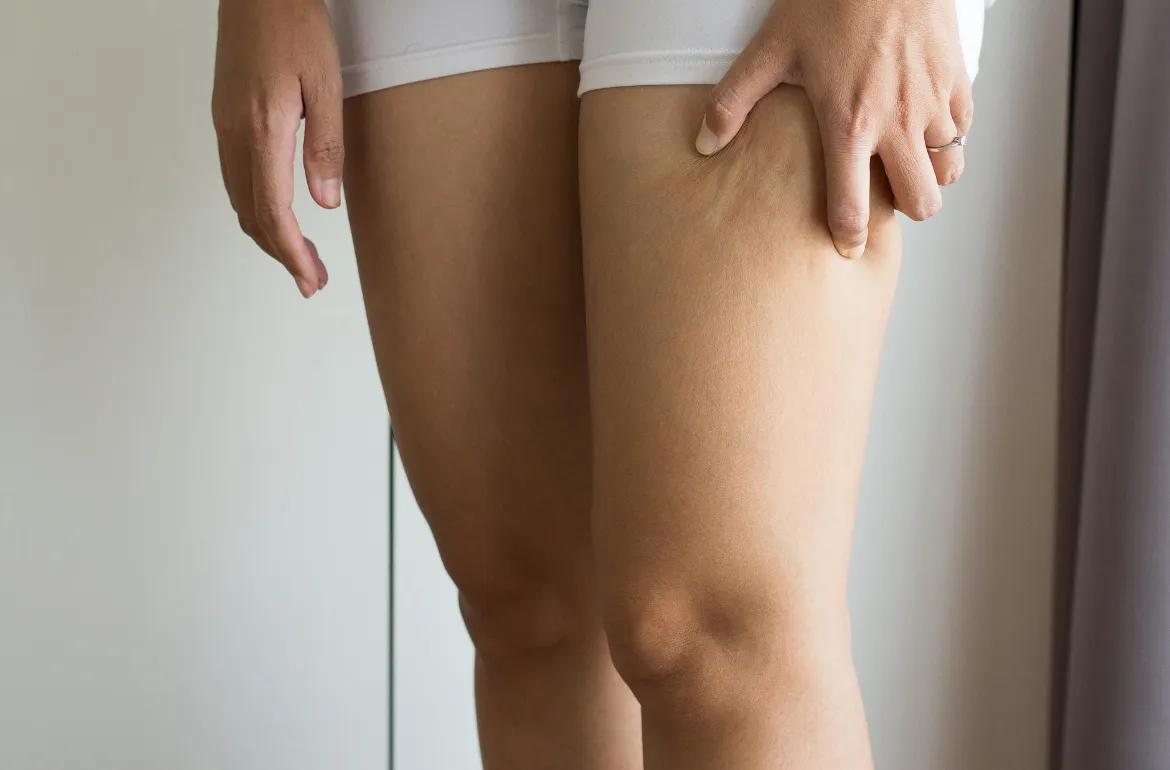
Loose skin on the legs can appear after losing weight quickly, through lack of muscle mass, excess fluid and fat, or the loss of collagen and elastin. It is treated with body radiofrequency, which boosts collagen formation.
Thighs
It often appears after a sudden change in weight following a slimming diet. Alongside healthy habits, radiofrequency and mesotherapy help improve it.
Abdomen
Loose abdominal skin is common after giving birth or major weight loss, and it can be treated without surgery. The most common options are carboxytherapy, which reduces localised fat and fluid retention, and radiofrequency, which helps the body produce more collagen and elastin.
Neck and face
Over the years, laxity in the neck and face becomes more noticeable. To slow it down, we can use radiofrequency, carboxytherapy and thread lifts.
Results
By stimulating collagen and elastin production, the treatments improve the firmness and elasticity of the skin, visibly reduce laxity and define the body’s contours. Results appear gradually in the weeks after treatment and can keep improving over time; they vary with the procedure, how severe the laxity is and each person’s characteristics.
A balanced diet rich in protein and antioxidants, regular exercise, avoiding tobacco and protecting your skin from the sun all help maintain them.