Your thirties are a good time to start thinking about your skin in the long term. Changes do not appear overnight, but this is when many small processes begin to show: the skin renews itself more slowly, collagen production gradually falls and some expression lines no longer fully disappear when the face is at rest. This preventive approach is often called prejuvenation, and it means caring for your skin early so that you need less later on.
What changes in the skin from your thirties
Everyone ages at their own pace, depending on genetics, skin type and lifestyle. Even so, some changes are common at this stage:
- Cell turnover slows down and the skin can look duller.
- Collagen and elastin production gradually decreases.
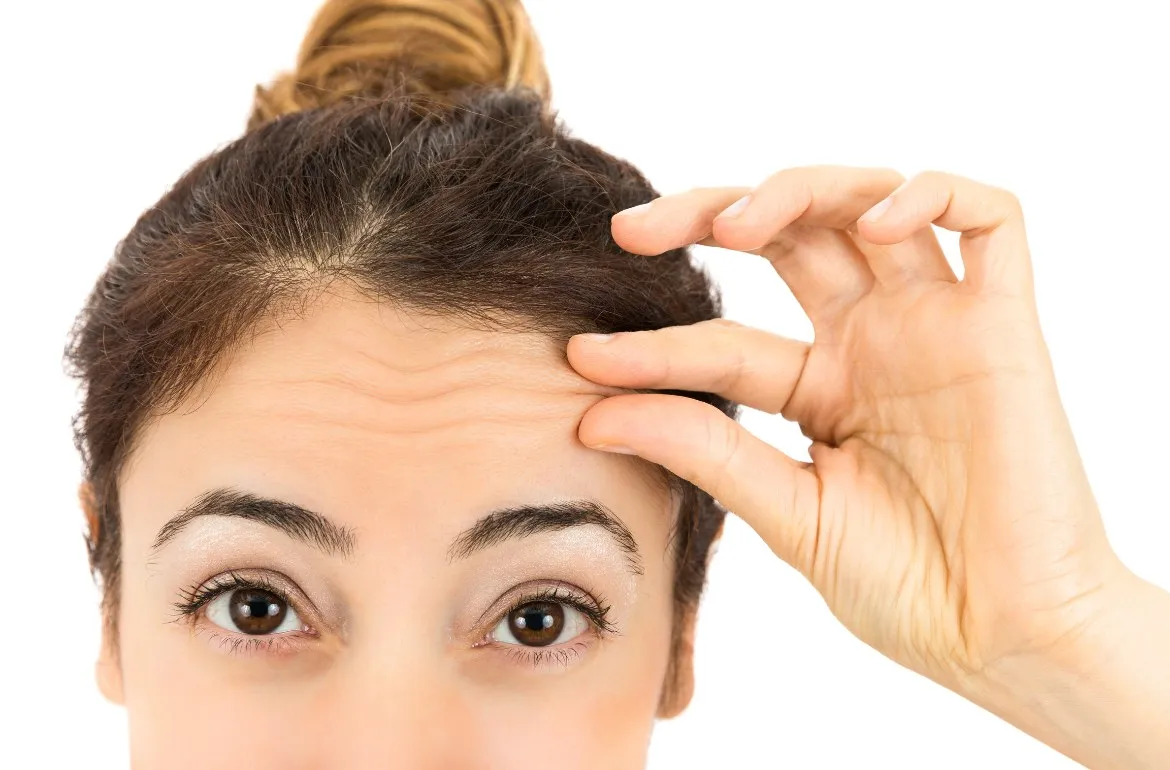
- Dynamic lines, such as those on the forehead, between the brows or around the eyes, begin to show more.
- The first pigmentation marks appear, especially after a lot of sun exposure.
These are natural processes and nothing to worry about, but understanding them helps you decide in good time.
The foundation: home care and sun protection
No treatment replaces a good daily routine. Before thinking about the clinic, it is worth reviewing the basics:
- Sun protection every day, including in winter and on cloudy days. The sun is one of the biggest factors in skin ageing, and in Mallorca exposure is high for most of the year.
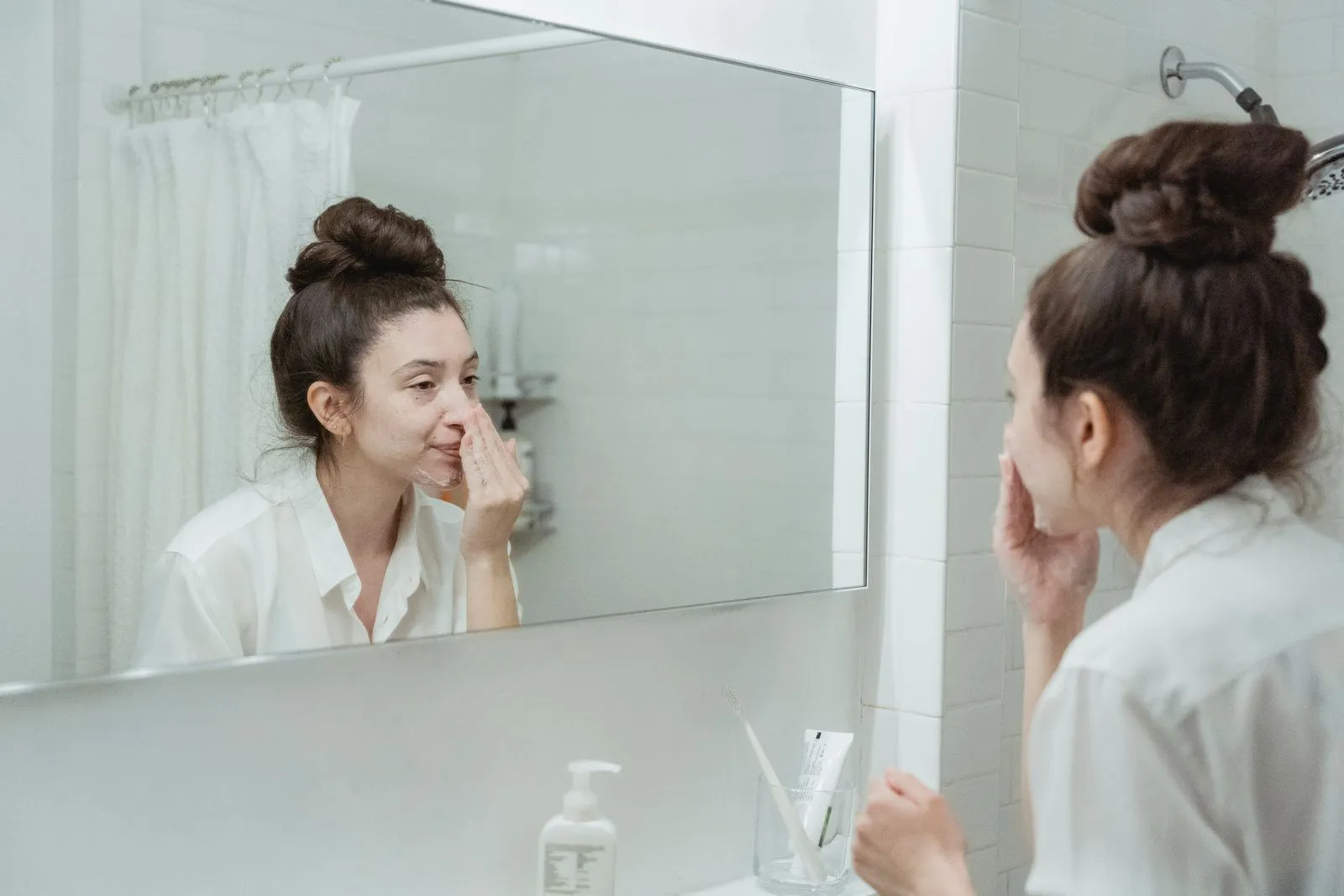
- Gentle cleansing morning and evening, suited to your skin type.
- Hydration with the right products, plus actives such as antioxidants or retinoids when appropriate.
- Healthy habits: good sleep, not smoking, a balanced diet and drinking enough water.
A doctor or skin professional can help you choose the products your skin actually needs, without piling on unnecessary steps.
When a medical assessment makes sense
There is no set age for a first aesthetic medicine appointment. An assessment can be useful if your skin has lost radiance or texture, if expression lines are starting to stay visible, if you have pigmentation or acne marks that bother you, or simply if you want to know which kind of care suits you.
An assessment does not mean you have to have a treatment. Often the advice is to adjust your home routine and review things later. The decision is made by a doctor after looking at your case.
Gentle treatments to start with
When treatment is appropriate, preventive aesthetic medicine usually favours gentle, gradual options:
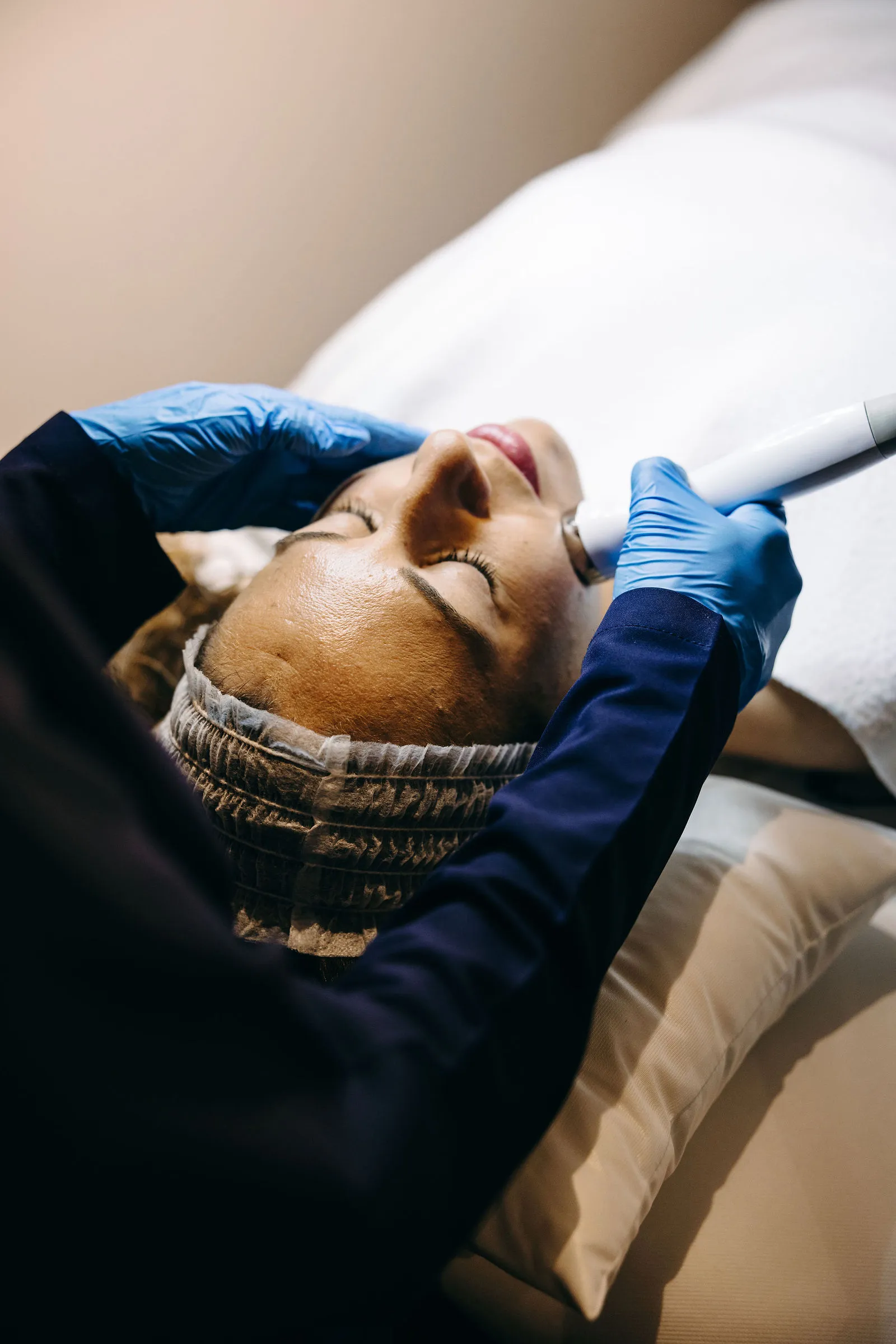
- Chemical peel: exfoliates the outer layers of the skin in a controlled way and encourages renewal. It can improve radiance, texture, pores and superficial pigmentation. There are different types of peel, and the doctor will choose the most suitable one for your skin and the time of year.
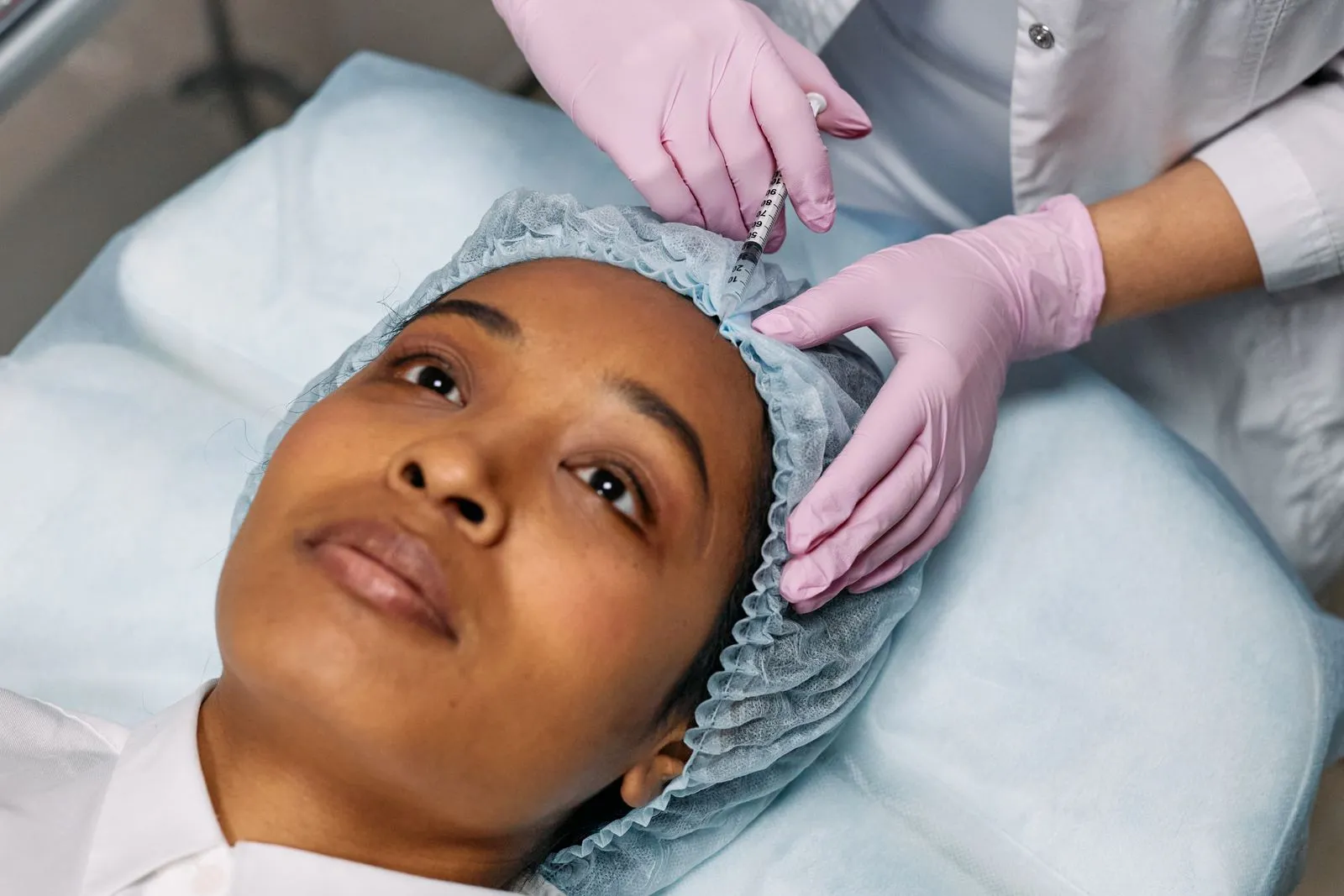
- Neuromodulators for expression lines: temporarily relax the muscles responsible for dynamic lines on the forehead, between the brows and around the eyes. Used in the right doses, they soften those lines and help stop them becoming more marked, without taking away the face’s expressiveness.
- Skin quality treatments: facial mesotherapy or biorevitalisation with hyaluronic acid hydrate the skin from within and improve its appearance without changing your features.
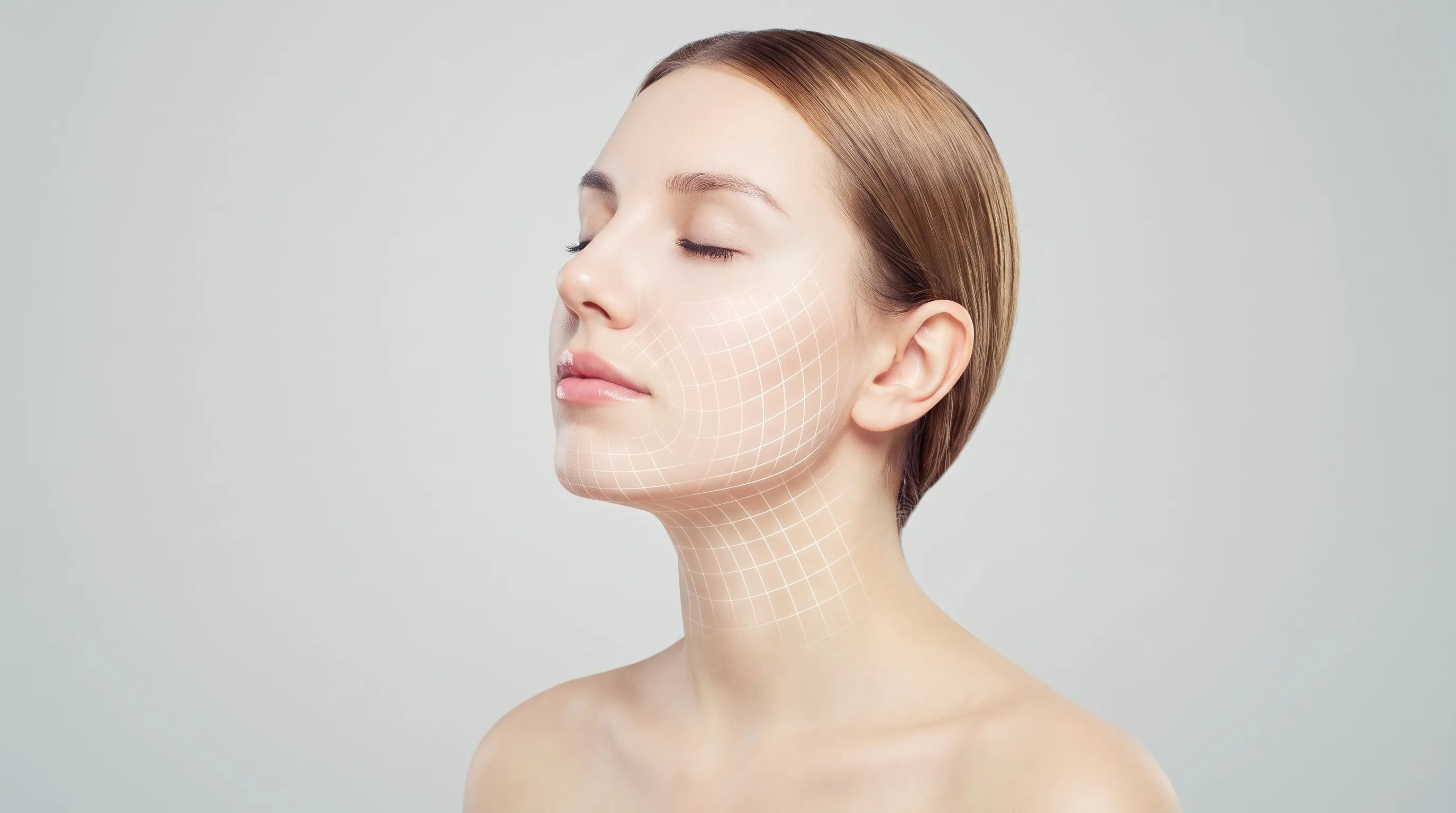
These treatments can form part of a tailored facial rejuvenation plan, combined according to the needs of each skin. How long results last and any recovery time depend on the treatment and the individual case, and the doctor will explain possible side effects before you begin.
A preventive plan without excess
At this age, doing the right things is enough. A good preventive plan respects the natural look of the face, fits your lifestyle and is reviewed over time. Results vary from person to person, which is why every recommendation should be individual.
If you are in your thirties or beyond and want to start caring for your skin with medical guidance, you can book an assessment at our clinics in Palma and Manacor. We will examine your skin and suggest the care and, where appropriate, the treatments that suit you best.