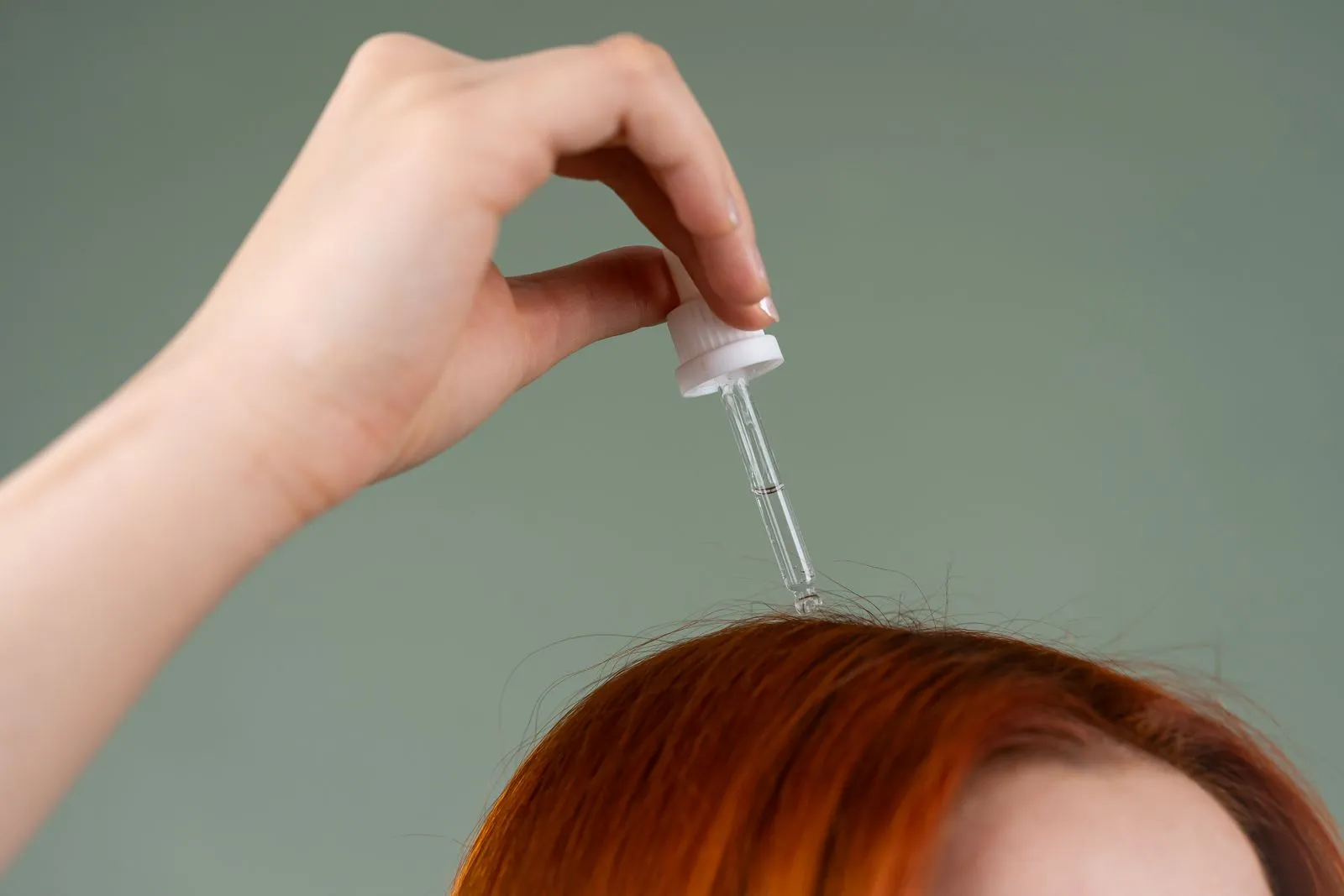
Losing some hair every day is normal: it is part of the hair’s natural cycle. But when you notice more hair falling out than usual, your parting getting wider or your hair losing density, it is natural to feel concerned. There are medical hair treatments that can help, but first you need to know why it is happening.
Diagnosis comes first
Hair loss is a symptom, and its origin can differ a great deal from one person to another. That is why there is no one treatment that works for everyone. Applying a solution without knowing the cause can waste time and lead to frustration.
At the consultation, the doctor asks about your history: when you first noticed the hair loss, whether it was sudden or gradual, whether it runs in the family, and any recent changes in your health, diet or medication. They then examine your scalp and hair. If they consider it necessary, they may request blood tests or recommend an assessment by another specialist.
The most common causes
Without going into clinical detail, these are some of the causes seen most often:
- Androgenetic alopecia: the most common form, in both men and women. It has a hereditary and hormonal component and usually progresses slowly.
- Telogen effluvium: diffuse shedding that appears weeks or months after intense stress, an illness, giving birth or a very restrictive diet. It is often temporary.
- Nutritional deficiencies or hormonal changes, such as some related to the thyroid.
- Other, less frequent causes, such as certain types of patchy hair loss or shedding linked to some medicines.
Identifying which applies to you, or whether more than one factor is involved, makes it possible to choose the most suitable approach.
Hair treatments at the clinic
When the diagnosis supports it, at Mesomedic we offer treatments that aim to stimulate the hair follicle and improve the condition of the scalp:
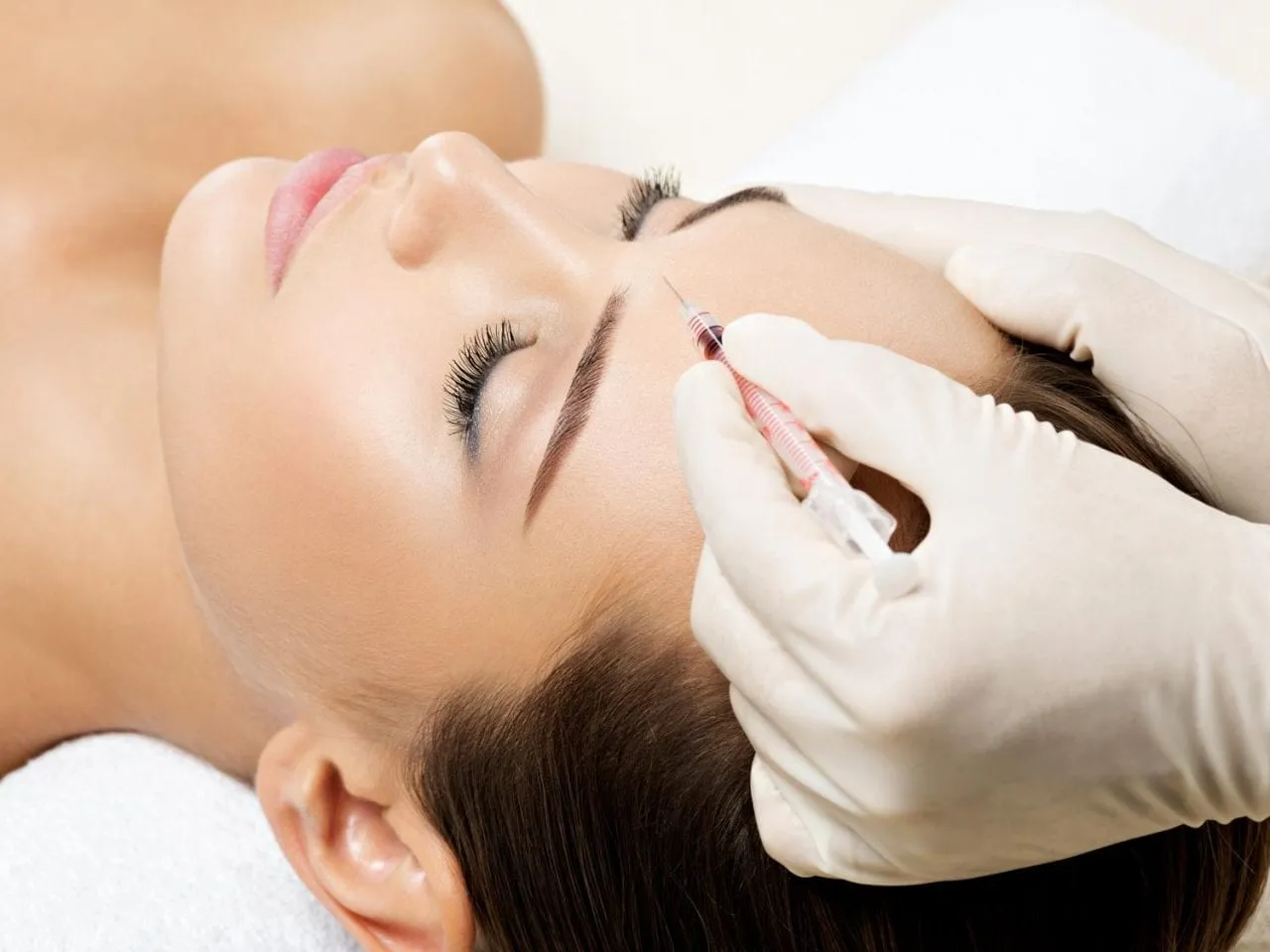
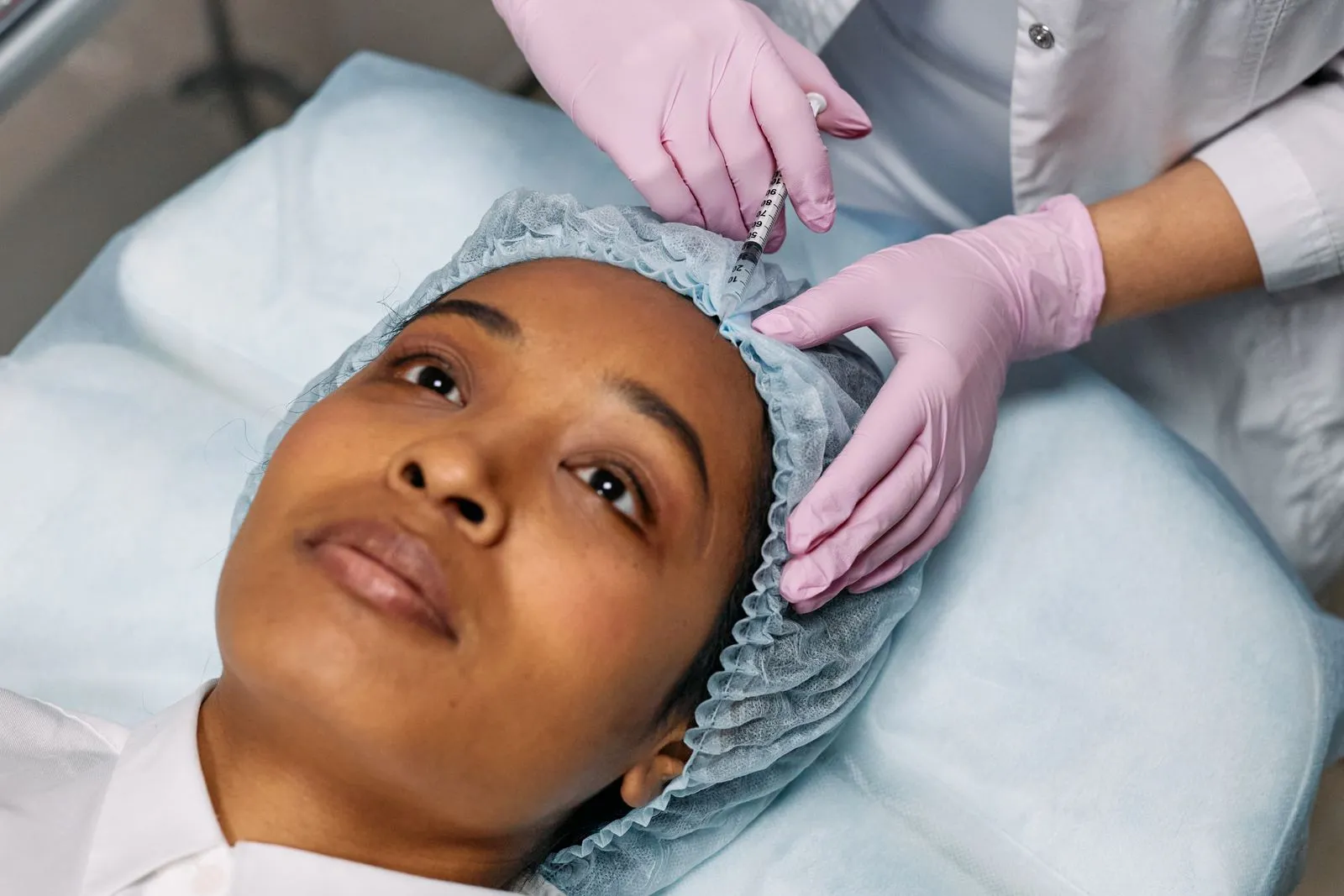
- Platelet-rich plasma (PRP): obtained from a small sample of your own blood, which is processed to concentrate the platelets and their growth factors. It is then applied to the scalp through micro-injections.
- Hair mesotherapy: vitamins, antioxidants and other active ingredients are applied to the scalp through very superficial infiltrations.
- Hair carboxytherapy: small applications of CO2 are used to support microcirculation and oxygenation in the area.
These procedures are carried out in the consulting room, are usually well tolerated and allow you to return to your normal activities. The doctor decides which is most suitable, or whether to combine them with other measures or treatments they prescribe.
Consistency is part of the treatment
Hair grows slowly and its cycles last months. That is why hair treatments call for patience and consistency: a course of several sessions is usually planned, and changes are assessed over time rather than from one day to the next. The response varies from person to person.
In many cases, maintenance sessions and home care are also recommended. Regular check-ups with the doctor make it possible to see how your hair is progressing and to adjust the plan if needed. Starting early, when the first signs appear, often makes things easier to manage.
If you notice you are losing more hair or that it has lost density, we recommend booking an assessment at our clinics in Palma or Manacor. Dr Jaime Rodríguez will look at your case and explain the options available. You can find more information about our hair treatments.