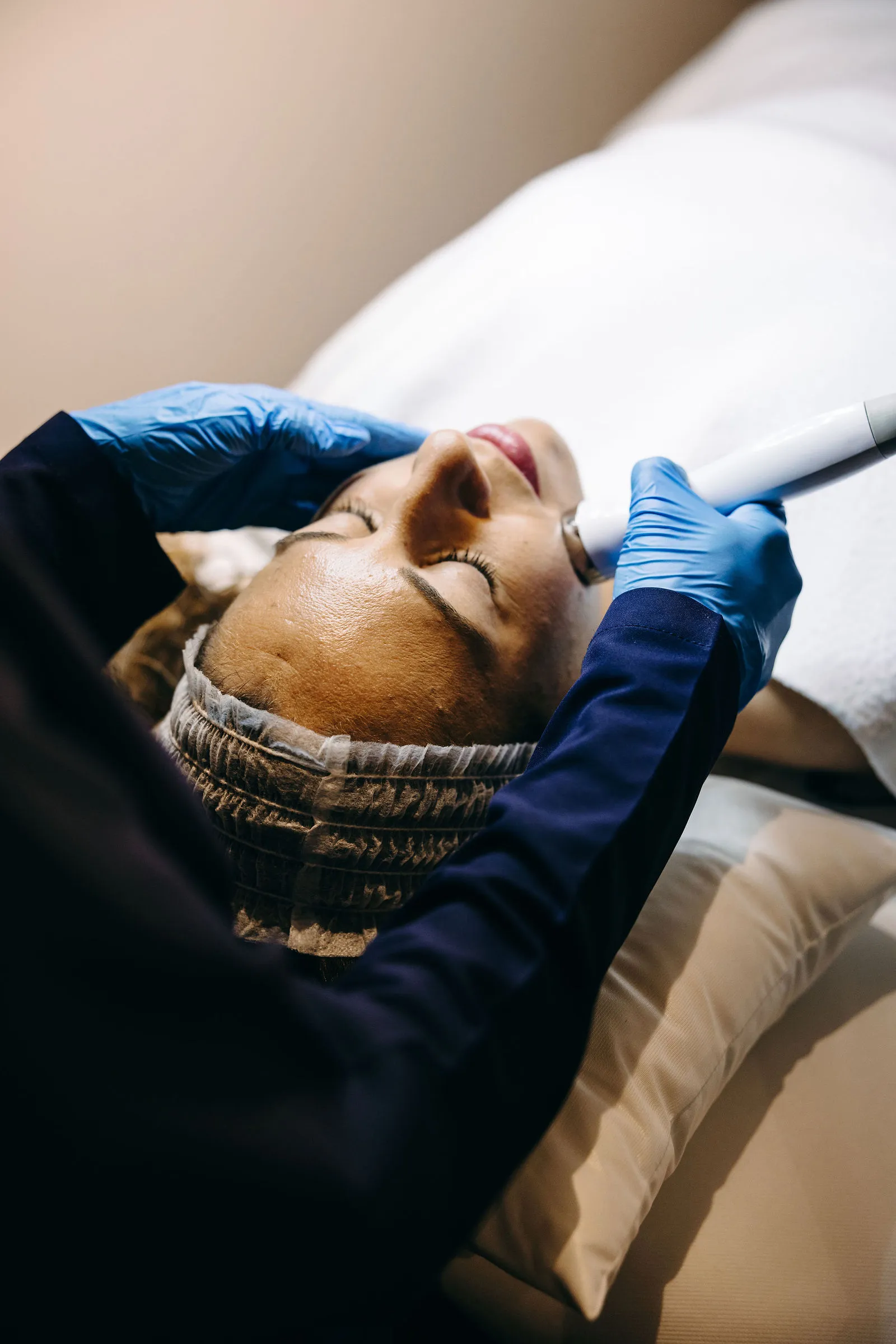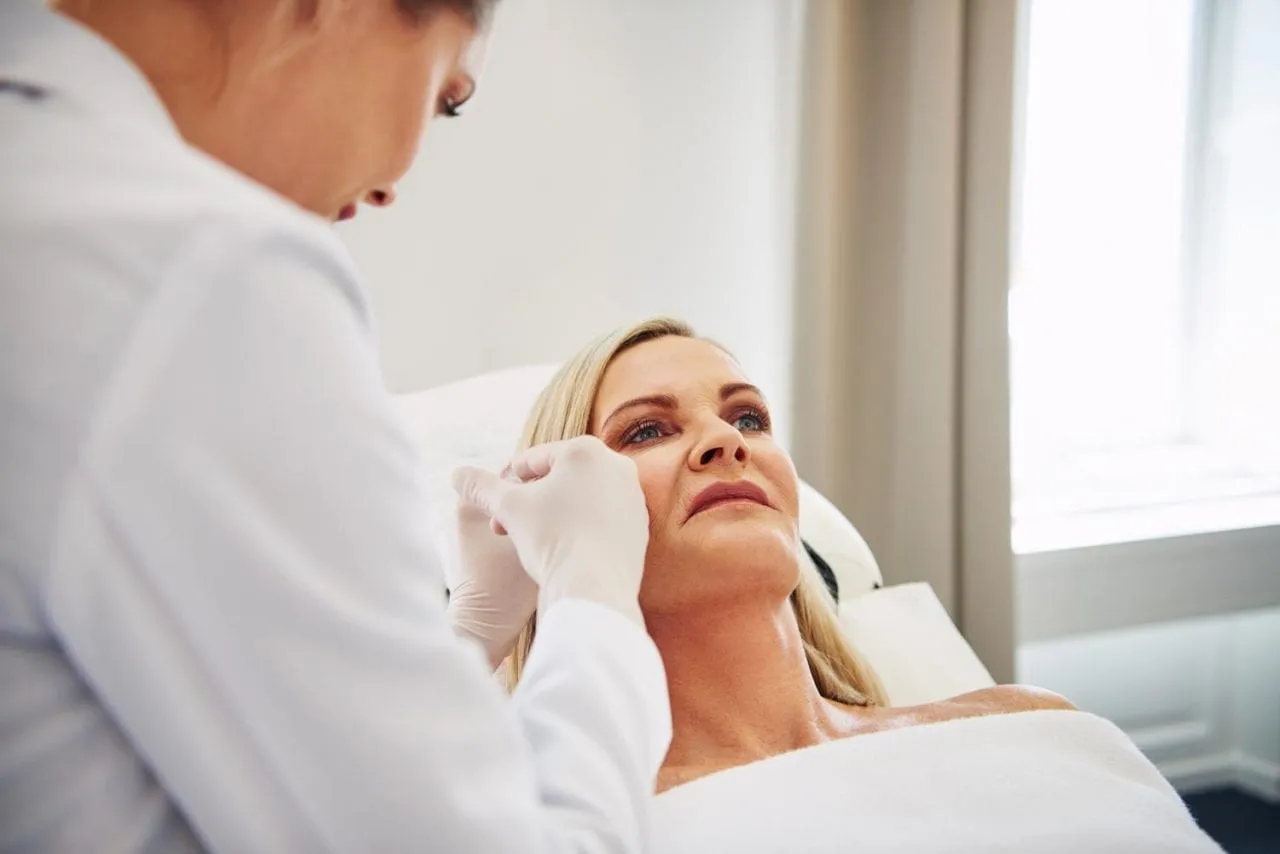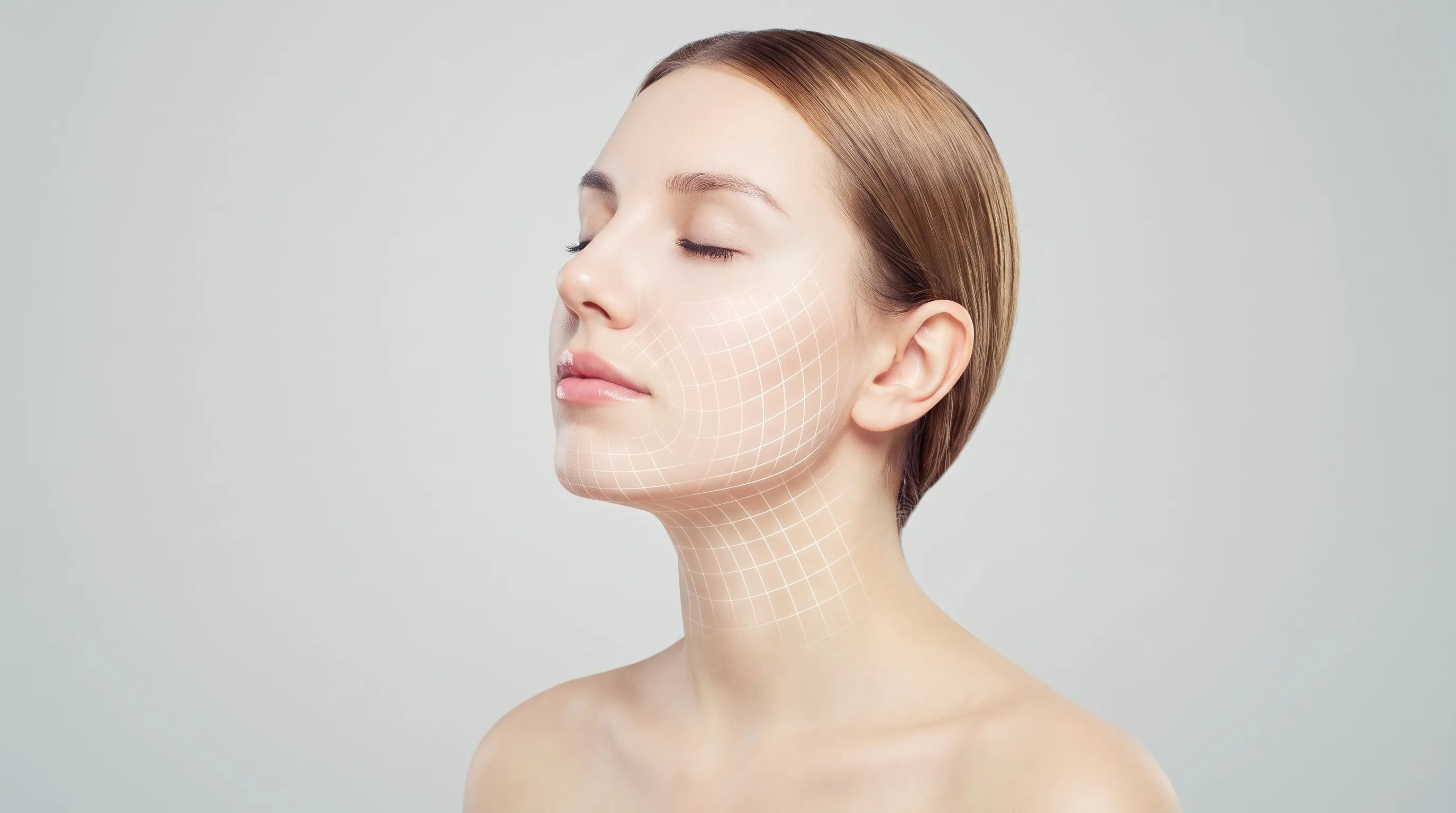
When we look in the mirror, we tend to focus on one detail: a frown line, a spot, a deeper fold. Yet the face changes on several levels at once as the years go by, and what we see is usually the sum of all of them. That is why in aesthetic medicine we often work with combined plans: several treatments chosen and sequenced for your case, rather than a single isolated “fix”.
The face ages in layers
Put simply, we can think of three levels:
- Skin quality: hydration, texture, radiance, spots and pores.
- Expression lines: those that appear with muscle movement, such as forehead lines, frown lines or crow’s feet.
- Support and volume: over time the skin loses firmness and some fat and bone compartments change, altering the contours of the face.
Each level responds best to different techniques, and treating only one of them can leave the result incomplete or unbalanced. When they are addressed together, the whole face looks more harmonious.
What a combined plan might include
There is no single recipe: the plan depends on your skin, your age, your goals and the medical assessment. As an example, a plan might combine:
- Treatments for skin quality, such as hyaluronic acid skin boosters, medical peels or IPL photorejuvenation.
- Treatments for expression lines, such as neuromodulators, which temporarily relax the muscles responsible.
- Treatments for support and volume, such as hyaluronic acid, collagen stimulators, thread lifts or radiofrequency, which together form what we call a non-surgical facelift.
Not everyone needs everything. Sometimes the plan comes down to two well-chosen techniques, and that is a medical decision too.
Why order and timing matter
Combining treatments does not mean doing everything on the same day. The order and the interval between treatments affect how the skin responds and how comfortable the process is.
In many cases it makes sense to start by improving skin quality and expression lines, and then assess support and volume once the face looks more relaxed and radiant. Some techniques can be done in the same session, while others need a few weeks between them, depending on the case. The time of year counts as well: treatments that make the skin more sensitive to the sun are usually scheduled for autumn or winter.
Each treatment has its own aftercare and recovery time, which your doctor will explain before you start. A good plan takes these into account so you can carry on with your daily life.
A natural, gradual result
What a combined plan aims for is an overall result: a rested face with good skin quality that still looks like you. By sharing the work between several techniques, each one can often be used more moderately.
Changes are usually gradual, and the response varies from person to person. That is why follow-up is part of the plan: it allows us to see how your skin is evolving and adjust the next steps if needed.
If you would like to know which combination might suit you, the first step is a medical assessment. You can book one at our clinics in Palma or Manacor, and from there we will look at your case and design a plan around you.